That was, in a single reply, all of him — and it is the funniest disclaimer in modern letters, because it convicts him with every word of it.
Asked, again and again, by interviewers who could not resist the question, whether the author of Eccentric Britain was himself an eccentric, le Vay would say no: frankly rather ordinary, a father of two, nothing to report. Then, pressed, he would offer the two items above as the very best he could manage, and add, with perfect innocence, that surely everybody was the same.
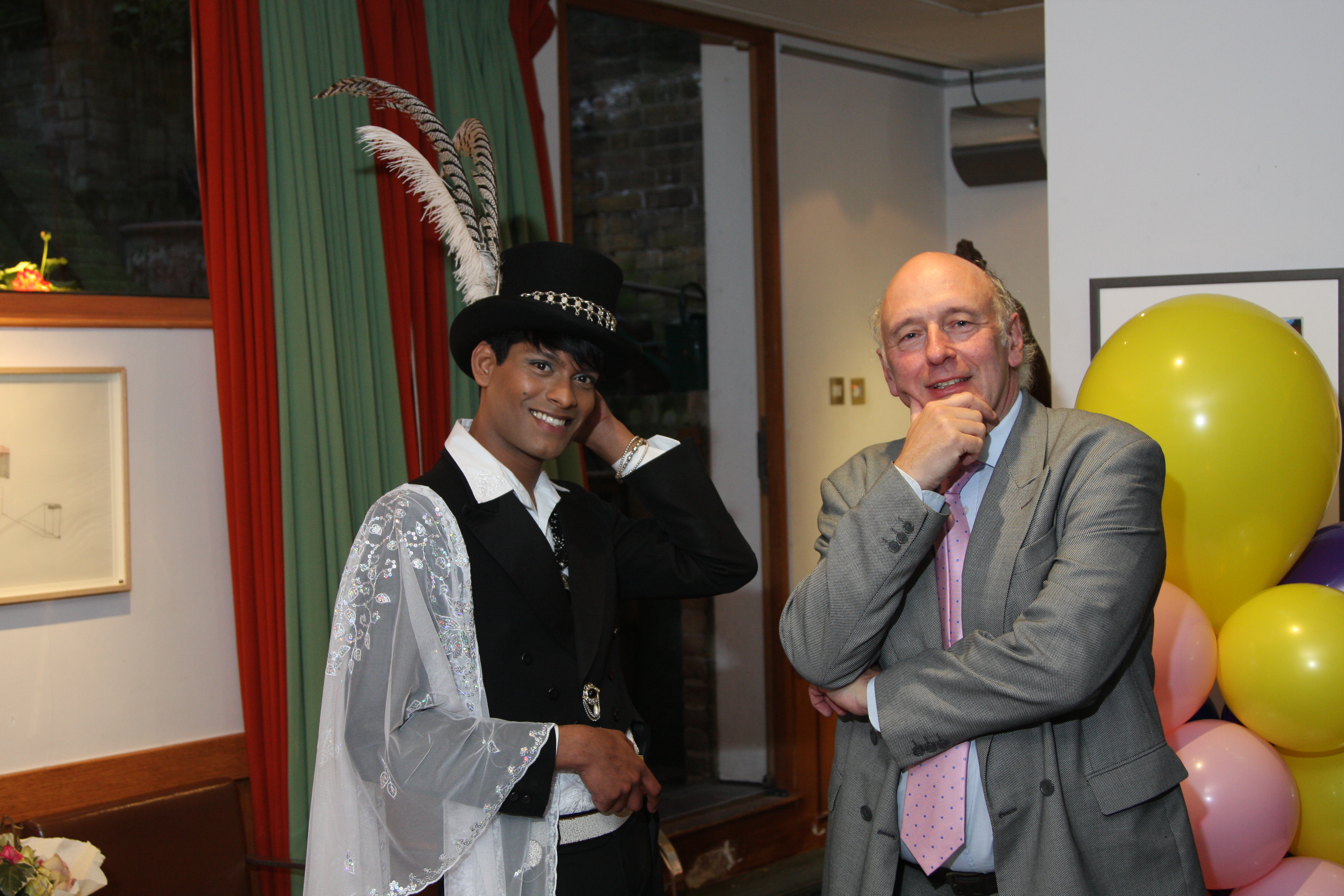
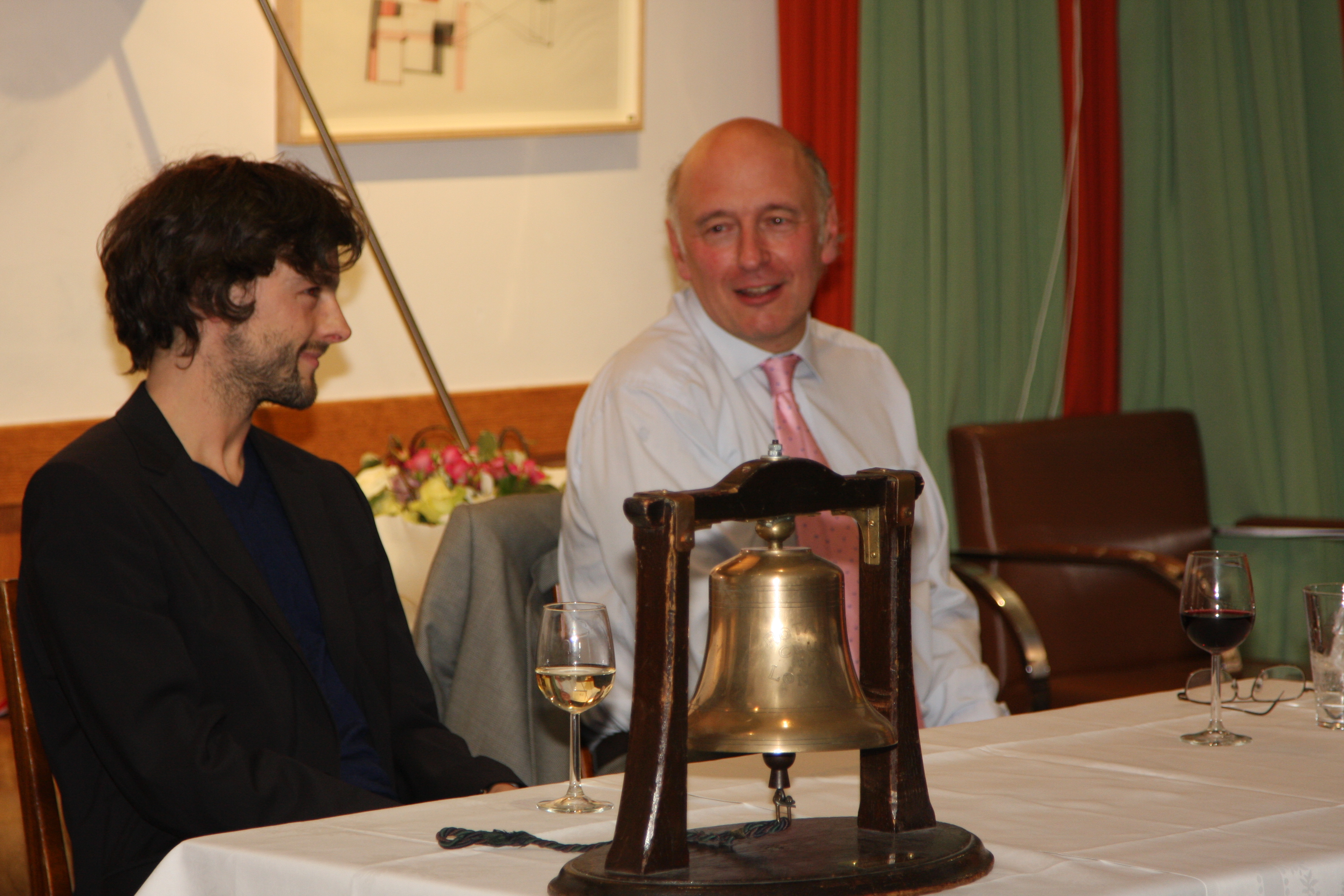
Members will recognise the manoeuvre, and will remember the particular comedy of watching him sit in judgement, in 2009, on the Greatest British Eccentric of the Year — weighing the credentials of other people's oddity with the scrupulous fairness of a man who considered himself entirely outside the category. It is precisely the reflex the Club exists to accommodate.
The genuine article never applies for the label. He thinks it describes other people, and is quietly baffled that anyone should find him worth a paragraph.
The accident
He was a national newspaper sub-editor — a trade he practised on four continents, in Britain, in Hong Kong and in New Zealand — and he wrote his first book more or less by accident, having simply gone on collecting oddities about his own country until there were enough of them to be a book.
Eccentric Britain appeared in 2000, from Bradt, subtitled a guide to the nation's follies and foibles. The response staggered him — his own word — and ran from the Shetland Times to Gulf Radio, with publicity tours in America and New Zealand. The Sunday Times observed that his catalogue of British oddities was so formidable that Brussels might reasonably have queried whether such a country belonged in the Union at all. The Observer thought his affection for the odd and the oddball was the thing that shone through, and it was right.
That affection is the point, and it is what separates le Vay from the vast, dreary literature of British quirkiness that came after him. He was not laughing at the Gnome Reserve. He was not being ironic about the Mustard Museum. He had gone there, on a train, with a notebook, and he had found it good.
The guides multiplied — Eccentric London, Eccentric Oxford, Eccentric Cambridge, Eccentric Edinburgh — and then the two window-gazer's guides, Britain from the Rails and Scotland from the Rails. The rails were the real love. There were, he pointed out, endless books about trains and endless books about the British countryside, and not so many that had thought to combine them — despite the plain fact that a person on a train spends the whole journey looking out of the window at the country. It is such an obvious idea that it was plainly overlooked. And he picked it up and developed it into bestsellers. That is the highest form of originality there is.
His last book took him back to New Zealand: Weeping Waters, an account of the Tangiwai disaster of 1953, when a volcanic lahar took out a bridge and a night express went into the river. He described himself, in the same breath, as a rather bad yachtsman and potter.
The Berners question
There is a chapter in Eccentric Oxford that ought to be read aloud at the bar. Among the batty dons and the disgraceful undergraduates, le Vay pauses to consider Lord Berners and asks whether he was the last great eccentric.
It is a question he plainly did not want answered in the affirmative, and he spent a working life proving it wasn't — hunting down the cheese-rollers and the bog-snorkellers and the chimney-peepers and the men who had left extravagant instructions for their own funerals, and finding, every time, that the species was alive and breeding.
He then joined their number by leaving extravagant instructions for his own funeral, and did not notice.
On the road
He died on 5 December 2022, of a massive heart attack, while travelling with his wife Janice in Sri Lanka. He was sixty-nine.
There is no consolation in it, and the Club will not pretend otherwise — but there is a rightness. He had spent twenty-five years telling his readers that the whole point was to go and look: to get on the train, take the branch line, walk up the hill, knock on the door of the museum with the peculiar opening hours. He was doing exactly that, with his wife beside him, three thousand miles from the A272, when it stopped.
He is survived by Janice, by his children Rebecca and Tom, and by his brother Simon, to all of whom the Club offers its condolences and, in due course, its thanks — for the loan of a man we did not deserve and enjoyed enormously.
Whether the locomotive was ever fired, and which one it was, the Club has not established...
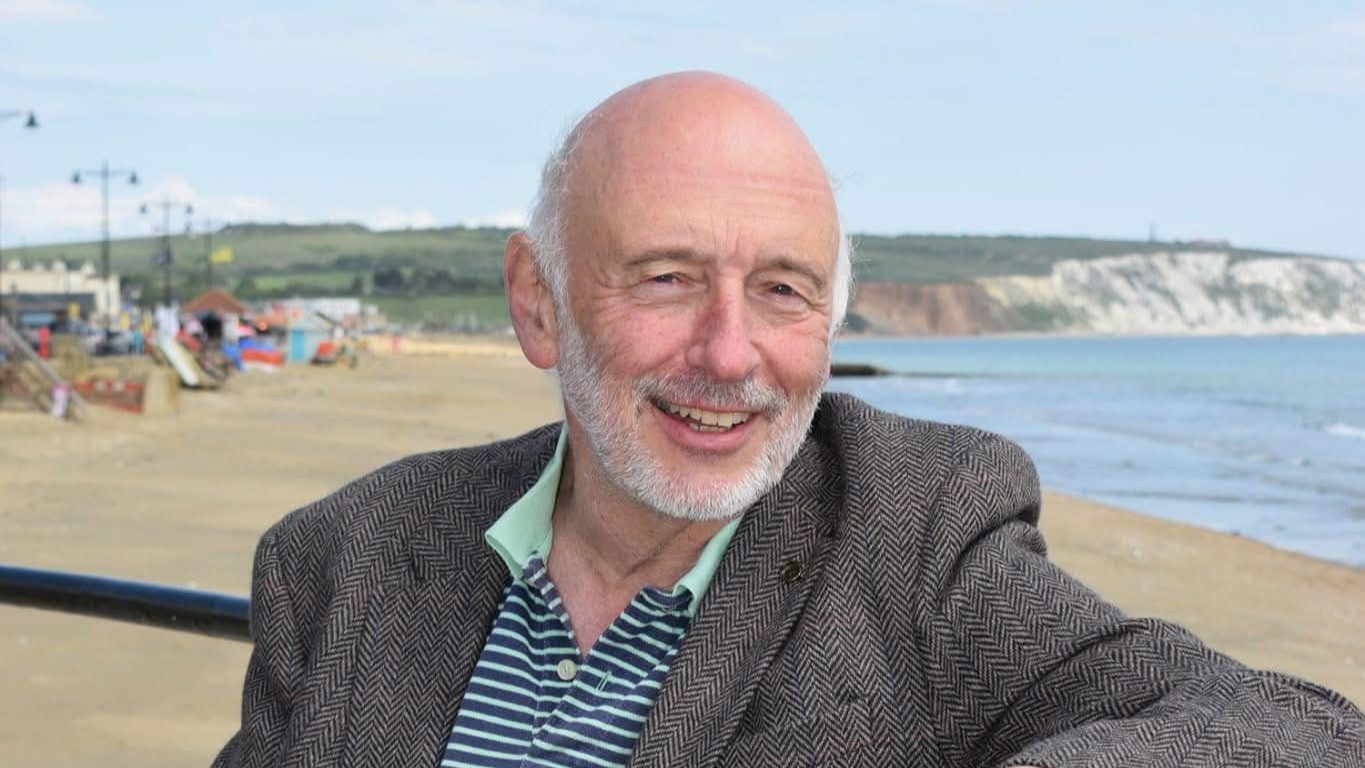
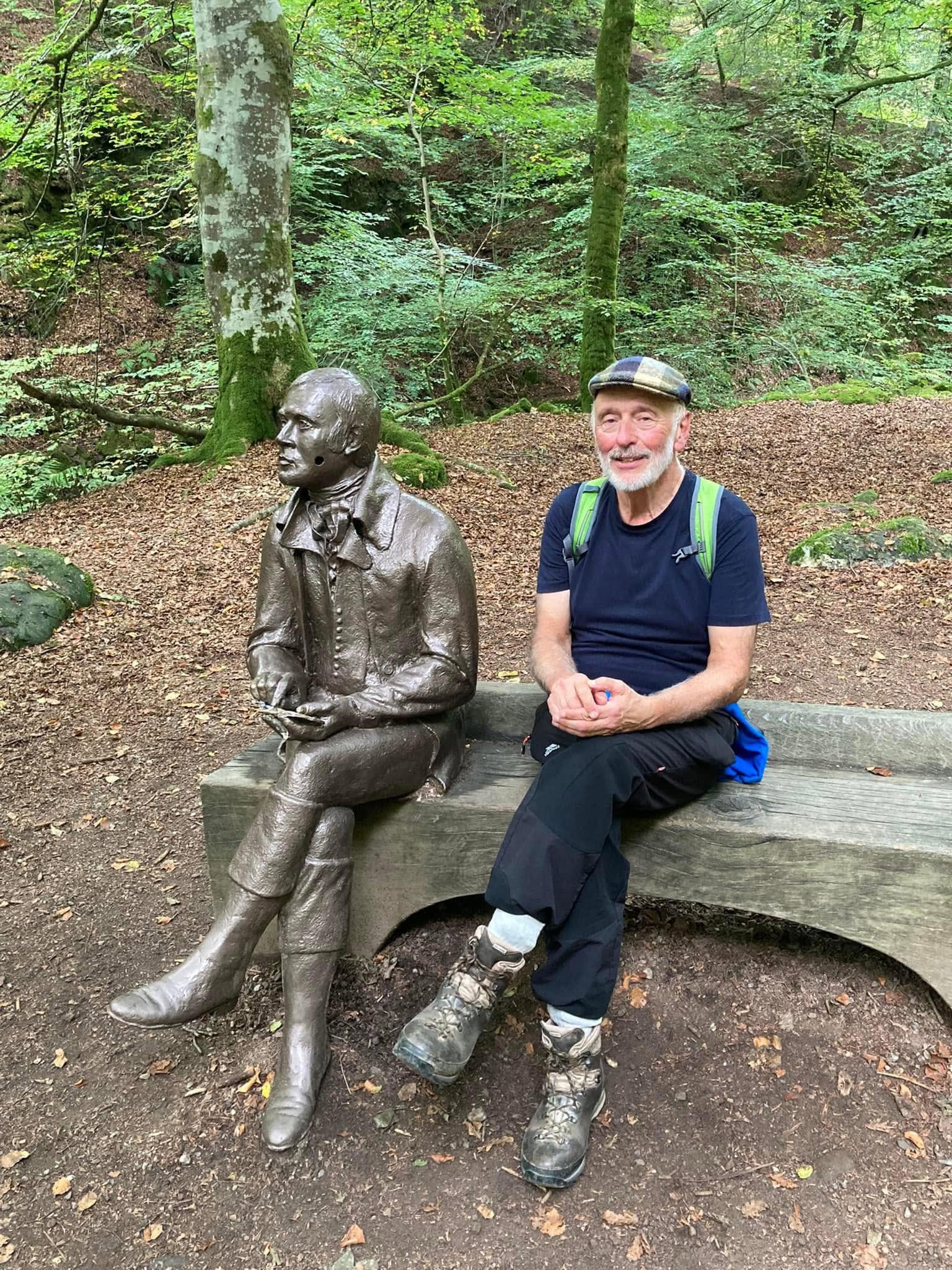
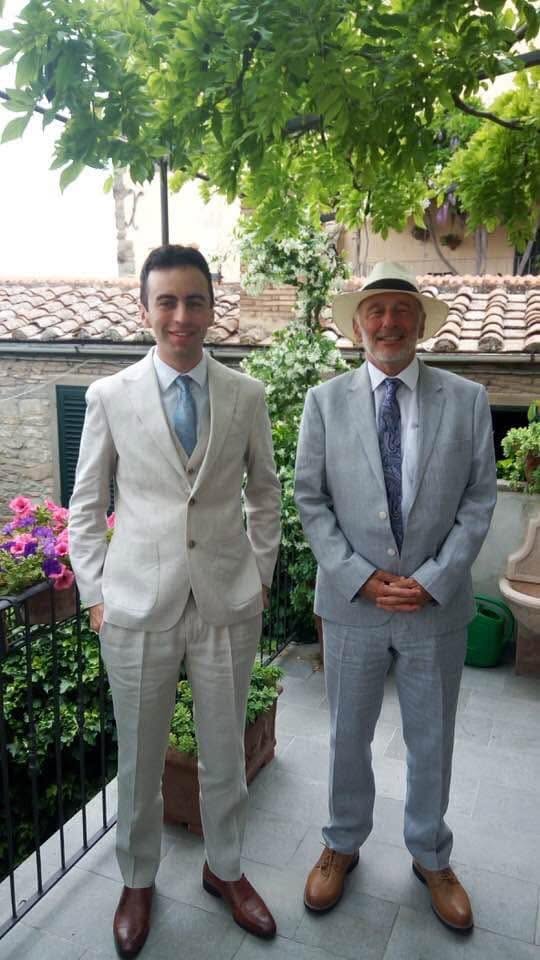
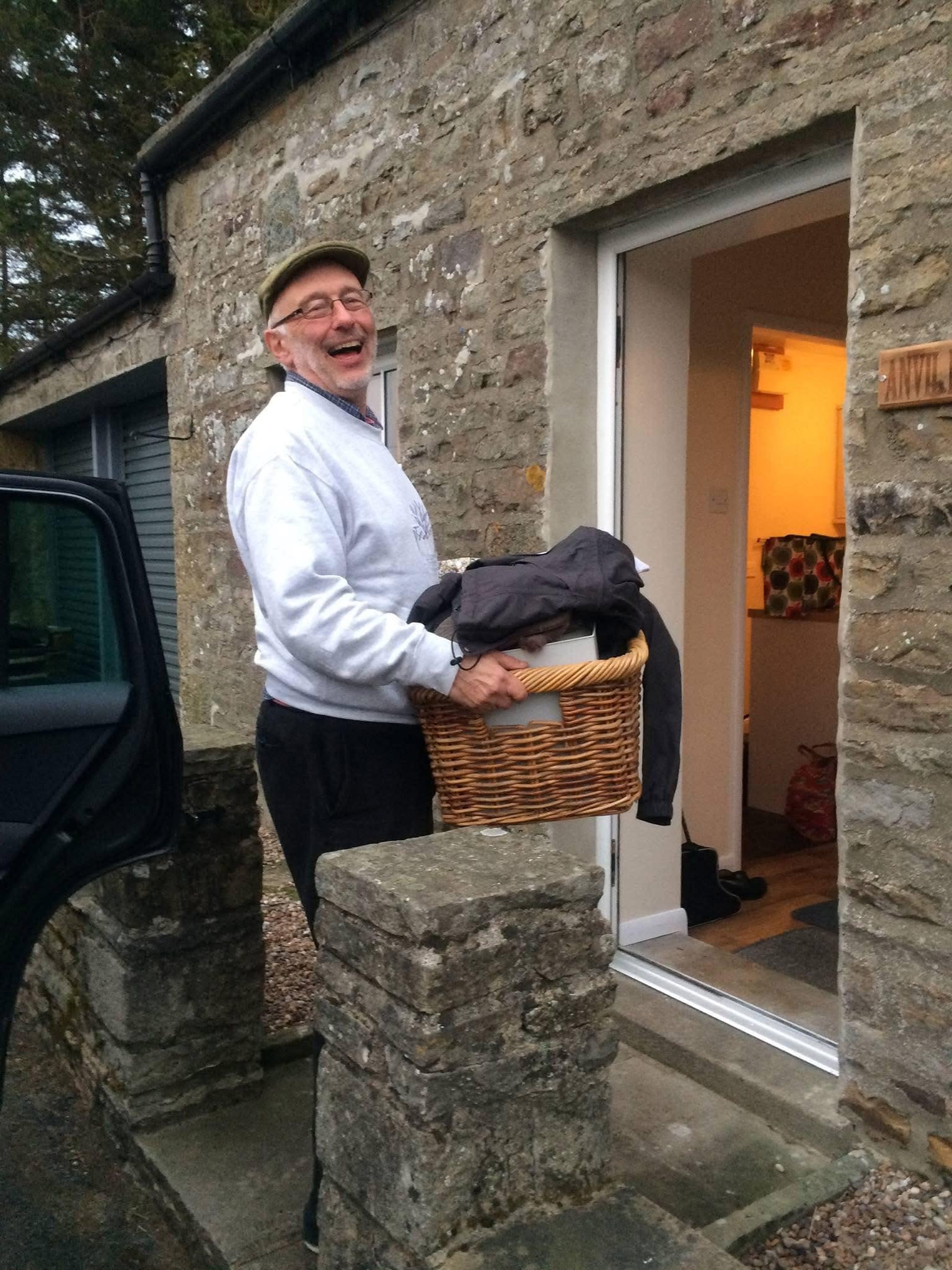
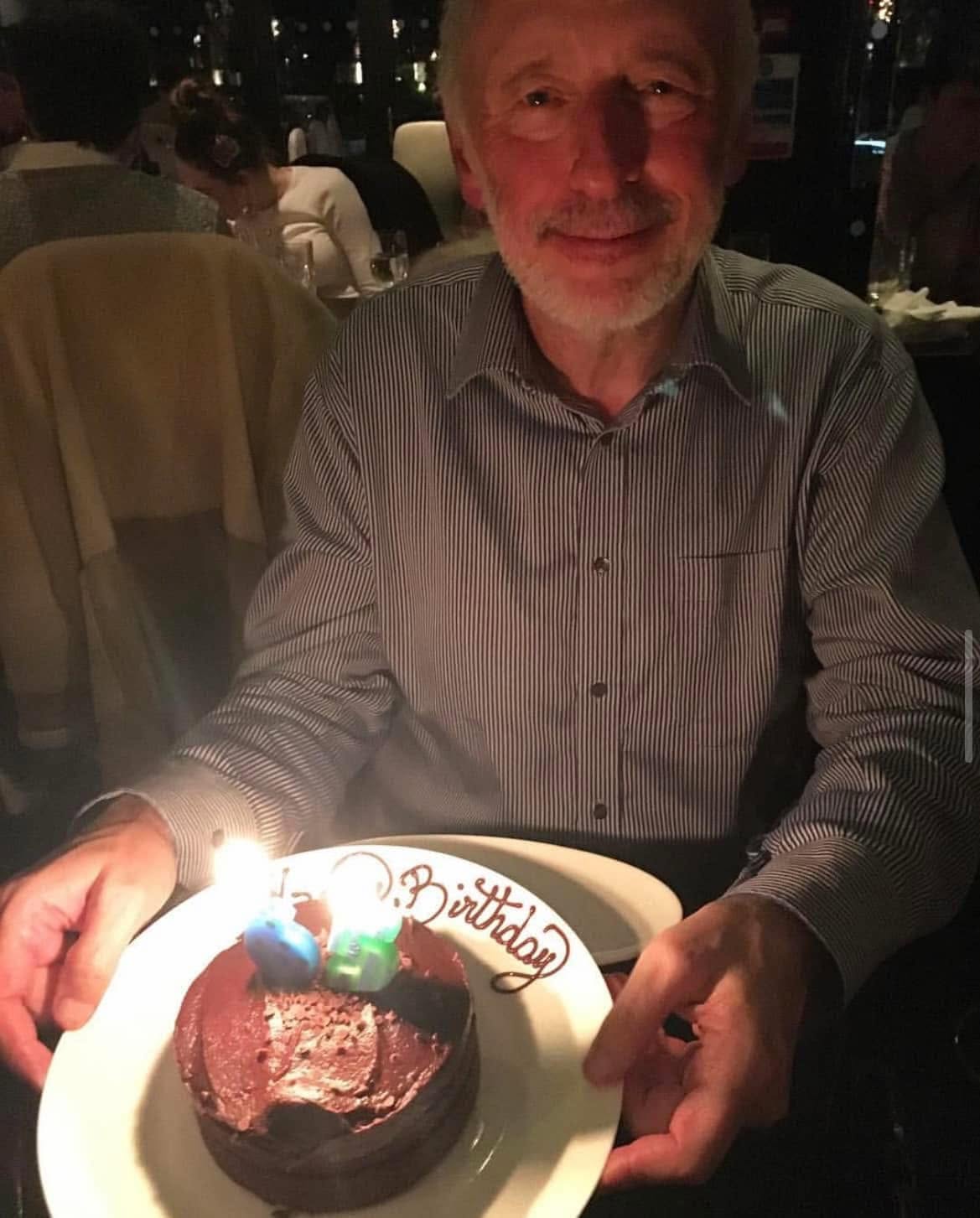
Benedict le Vay (16 Mar 1953 - 5 Dec 2022), a former Eccentric Club member.

Comments (0)
No comments yet.
Commenting is for subscribers. Sign in or subscribe to join the conversation.