In defence of originality in an age of conformity
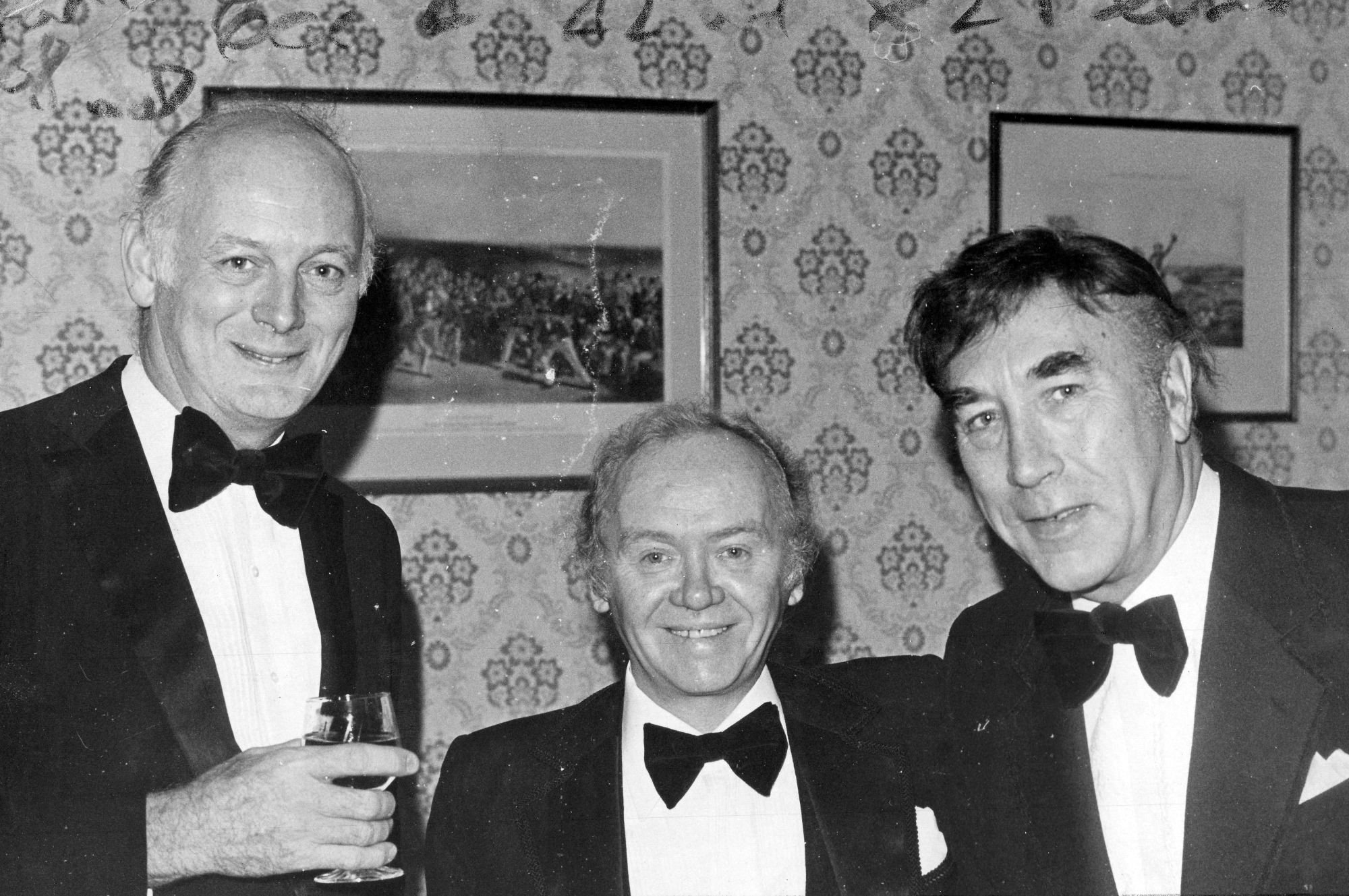
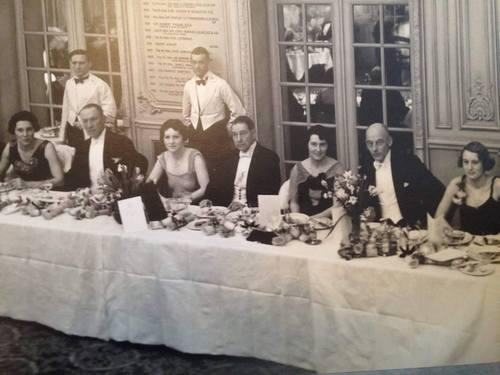
I run The Eccentric Club in London, an institution whose first records stretch back to the 1780s, when a small group of rather articulate Whigs gathered to celebrate unconventional thought, originality, good fellowship and sociality. After various incarnations, closures and revivals over more than two centuries, we re-established the club in 2008, committed once again to the spirit of free-thinking and public good. But what does it mean today to be eccentric, to be free-minded and unafraid to express an opinion, in a world where "free speech" attracts controversy as a matter of course, where "free spirit" is conflated with provocation, and where public expression of dissent or difference invites not debate but cancellation?
The question matters because eccentricity, properly understood, is not merely a quirky affectation. It is a source of social good, of generosity, of charitable impulse. Historically, our members raised funds for soldiers, helped rebuild cities after war, distributed food to the poor at Christmas, and supported causes that might otherwise have been neglected. That legacy endures because originality and independent thought enrich society. Yet in today's world, the ground for being eccentric has become treacherous. The ease with which public debate turns poisonous, the reflex to shut down rather than discuss, the notion that offence equals cancellation - all this means that being original and outspoken can feel perilous.
In our club we have always valued difference: people from artistic, scientific, legal, political, business backgrounds, people who think differently, who care about the world, who are ready to challenge orthodoxies. But we have learned, a long time ago, something important about the limits of that challenge. We avoid political or religious debate altogether. Not because we lack courage or conviction, but because we recognise that these topics can prove so toxic, so laden with performative outrage and tribal loyalty, that they endanger the very conviviality the club exists to celebrate and treasure. We gather to acknowledge originality, not to rehearse the Culture War. We meet to think freely, not to police one another's opinions. In an age when every dinner table risks becoming a battlefield, this is not cowardice but wisdom.
And yet even this restraint, this deliberate cultivation of civility, feels counter-cultural. The modern world seems incapable of tolerating nuance. There is growing impatience for complexity. People who speak out are not invited to debate but to be silenced: deplatformed, ostracised, "cancelled". The distinction between malicious provocation and legitimate dissent gets blurred, and the victim is not just the one who speaks but public discourse itself. We ready ourselves to speak not just for ourselves but for the possibility of dissent, and yet at every turn the pressure rises to conform, to stay within permitted boundaries, to sanitise thought lest one offend, upset, or provoke outrage.
There are voices who resist that pressure. Mick Hume, the British journalist and author long associated with the defence of press and speech freedom, has argued consistently that free speech and a robust free press are more vital now than ever. His work reminds us that allowing dissent, allowing uncomfortable ideas, is precisely how societies avoid stagnation and groupthink. Similarly, the Free Speech Union, founded in the UK to defend individuals whose speech is challenged by prevailing orthodoxies, offers a lifeline to those who speak out, reminding us that free speech is not merely a right for the comfortable but for the challenged, the minority, the dissenters.
But even defenders of free speech admit it is a delicate balance. The modern concept of "speech with consequences" cannot be ignored. As some commentators argue, harmful or hateful language cannot always be defended under the umbrella of free expression. The challenge then becomes: how to distinguish between genuinely dissenting, original thought - eccentricity in its positive sense - and speech intended to provoke, harm or marginalise. This is not an easy line to draw, and reasonable people will differ. But what is clear is that the difficulty of drawing that line cannot be used as an excuse to abandon the line altogether, to declare that all uncomfortable speech is beyond the pale.
Being an eccentric citizen in our times is not simply a matter of being different for difference's sake. It demands moral seriousness. It means being prepared to stand by one's convictions, but also to recognise that public expression carries responsibility. It means engaging in honest debate even when others refuse, remaining open to argument, willing to listen and, crucially, willing to defend principles of free expression even when one disagrees with what is being expressed. It means understanding that the right to be eccentric, to deviate from the norm, depends upon a shared commitment to toleration - not the lazy toleration that accepts everything and therefore stands for nothing, but the robust toleration that defends the right to dissent while reserving the right to argue back.
The question is: how many are prepared to do it? Our media environment, and indeed our political environment, seems less inclined than ever to tolerate complexity or difference. The weak boundary between malicious provocation and legitimate dissent collapses under the weight of moral panic and tribal signalling. In such a climate, preserving an eccentric spirit - not as a fashionable pose but as a principled stance - becomes difficult. But it appears more necessary than ever.
Societies evolve by challenge. Our club, with its history and its revival, tries to keep alive that tradition: the tradition of debate, of charity, of kindness, of difference. We do so by creating a space where people can think freely without fearing the mob, where originality is celebrated rather than punished, where fellowship survives the fractures of our age. We decline to make the club a site of political or religious combat not because these things do not matter - they matter profoundly - but because we have seen how easily the appetite for debate can curdle into the demand for conformity, how quickly the search for truth can degenerate into the performance of virtue.
To remain original, free-minded, unafraid - to be an eccentric citizen in a world that fears deviation - is to assert something fundamental about what it means to be human. It is to insist that we are not simply products of our tribe, our ideology, our moment, but individuals capable of independent thought, of moral agency, of generosity toward those with whom we disagree. It is to defend a vision of society in which difference is not merely tolerated but treasured, in which the unconventional thinker is valued not despite but because of their refusal to conform and because of their original take on what may have been seen as an unquestionable truth.
If you will, dare to be eccentric. But understand what that dare entails: not the cheap thrill of provocation or attention seeking, not a public stunt, but the harder work of maintaining principle in an age of hysteria, of defending civility in a climate of rage, of questioning everything and insisting that thought must remain free even when freedom feels dangerous.
The Eccentric Club has survived since the eighteenth century because it understood that eccentricity, at its best, is not rebellion for its own sake but the preservation of human dignity against the tyranny of groupthink. That mission has never been more urgent than it is today.

Comments (0)
No comments yet.
Commenting is for subscribers. Sign in or subscribe to join the conversation.