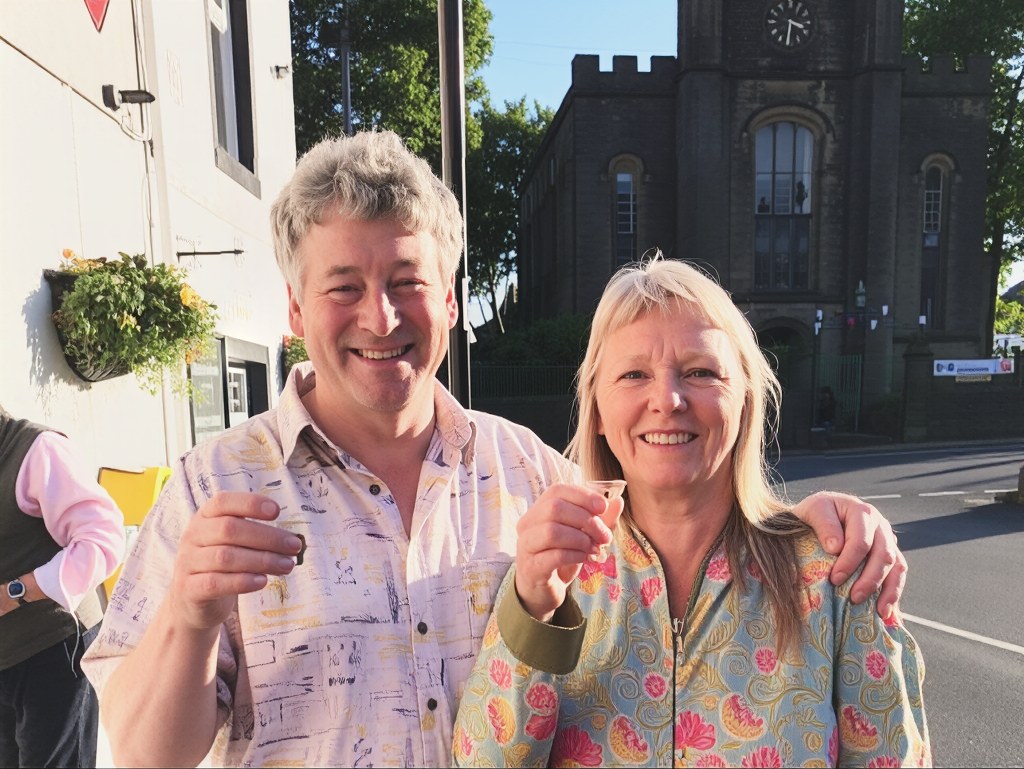
Paul and Chris Czainski, artists, curators, occasional lighthouses, on marriage, iconography and the world's smallest museum.
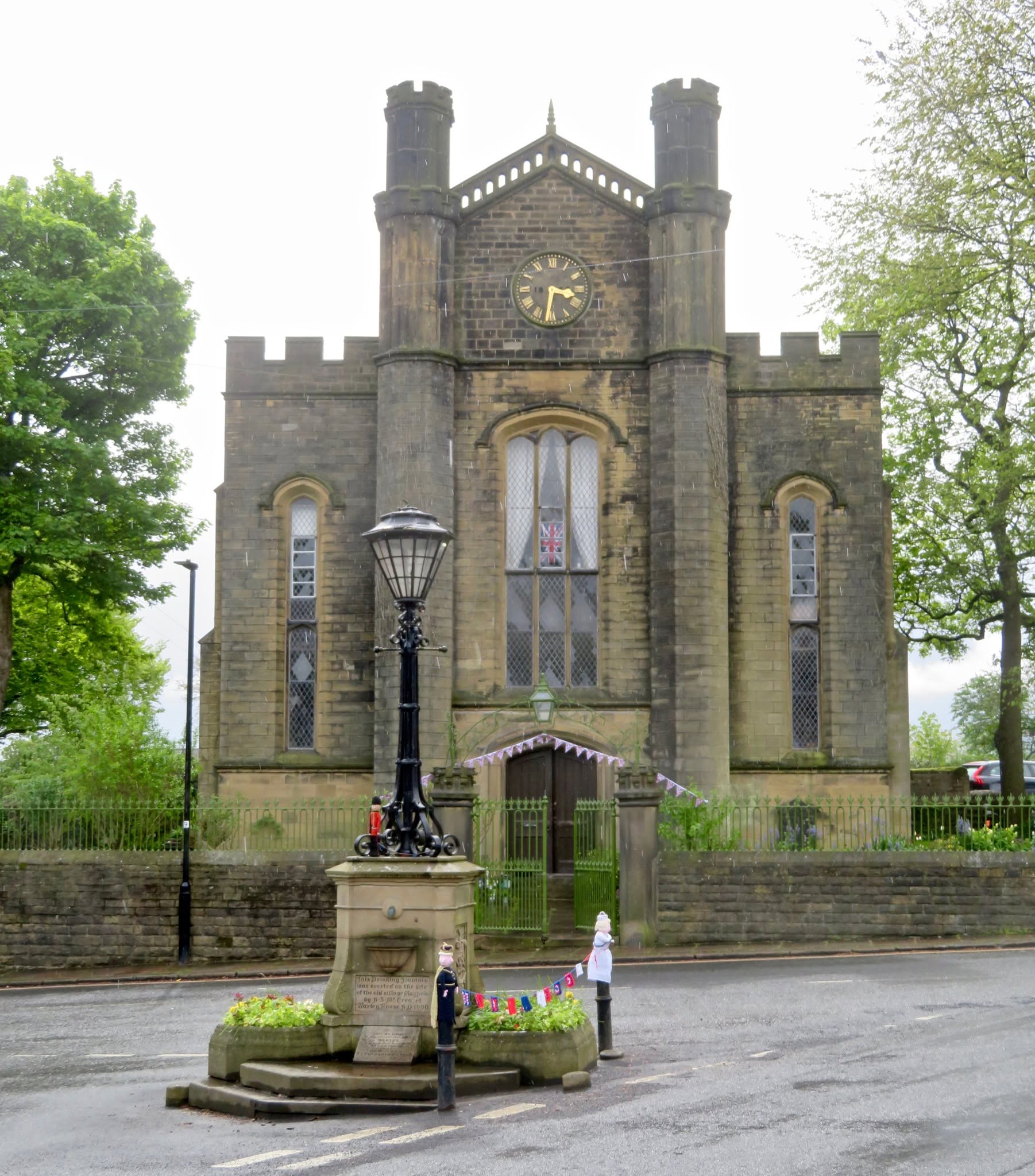
They live in a church. This is the first thing to know about Paul and Chris Czainski, and very nearly the least surprising.
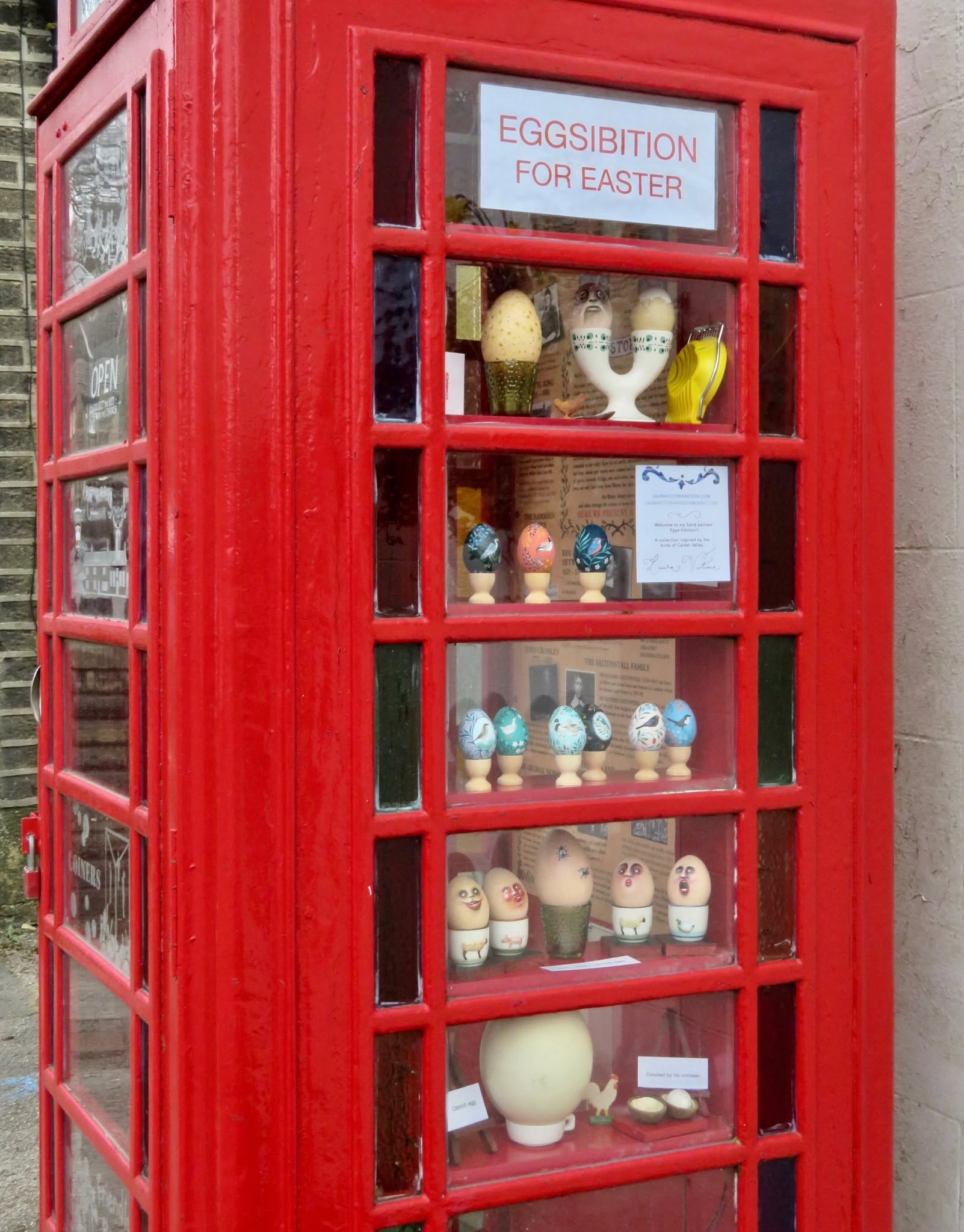
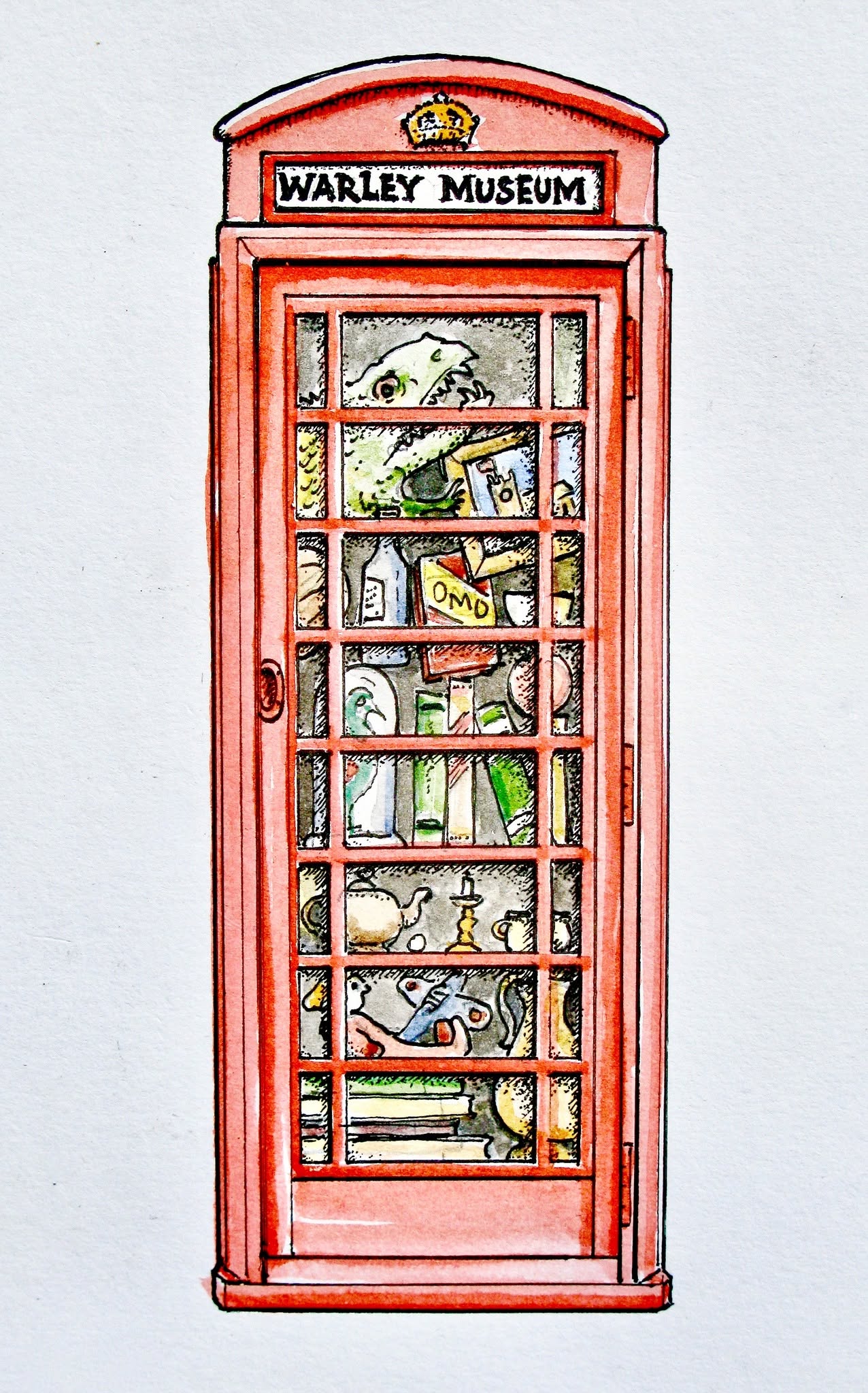
They also run a museum in a telephone kiosk - the Smallest Museum in the World, in Warley, near Halifax, which they curate together and rehang every three months. They have made short films dressed as lighthouses, as foghorns, as fish. They have performed twice while inside a bag. Somewhere in the wilds of the West Riding, a mannequin painted silver is still missing one hand.
What is striking, talking to them, is how differently they arrived at the same address. He always knew exactly who he was and set about arranging a life with the maximum possible art in it. She spent a childhood appearing sociable while conducting, in secret, an entirely separate existence. He gets his ideas from whatever amuses him. She gets hers from the collective unconscious.
They are, in short, a double act. So we have interviewed them as one.
Were you thought eccentric?
PAUL: At school, probably, by some. My friends were off to Hawkwind and Deep Purple concerts. I didn't listen to Radio Caroline or even Radio 1 - I preferred Radio 3. In my own eyes I'm quite conventional. Old-fashioned, even.
CHRIS: I don't think people thought of me as eccentric. I felt I didn't fit in, and I had a very active secret 'other life' going on as a child. I appeared sociable but was secretly a loner. I wonder whether I was thought a bit unreachable.
Paul - "conventional" is doing a lot of work in that answer.
PAUL: I did once find a dead pigeon at the side of a road in London and take it home to my flat to stuff it. I'd become interested in Victorian taxidermy - Walter Potter, Charles Waterton. My knowledge of pigeon anatomy proved somewhat flawed and I got the legs on back to front.
But it worked.
Have you found yourselves? Or did you do it your way?
PAUL: I've never had to find myself. I always knew where I was. I always wanted to be an artist, and I made sure the path I took led into a life containing as much art and creativity as possible.
CHRIS: I've certainly done it my way - much to the annoyance of my parents when I was young, and probably when I wasn't young any more either. I've never felt the need to find myself. I've always been a bit of a maverick.
Where does the work come from?
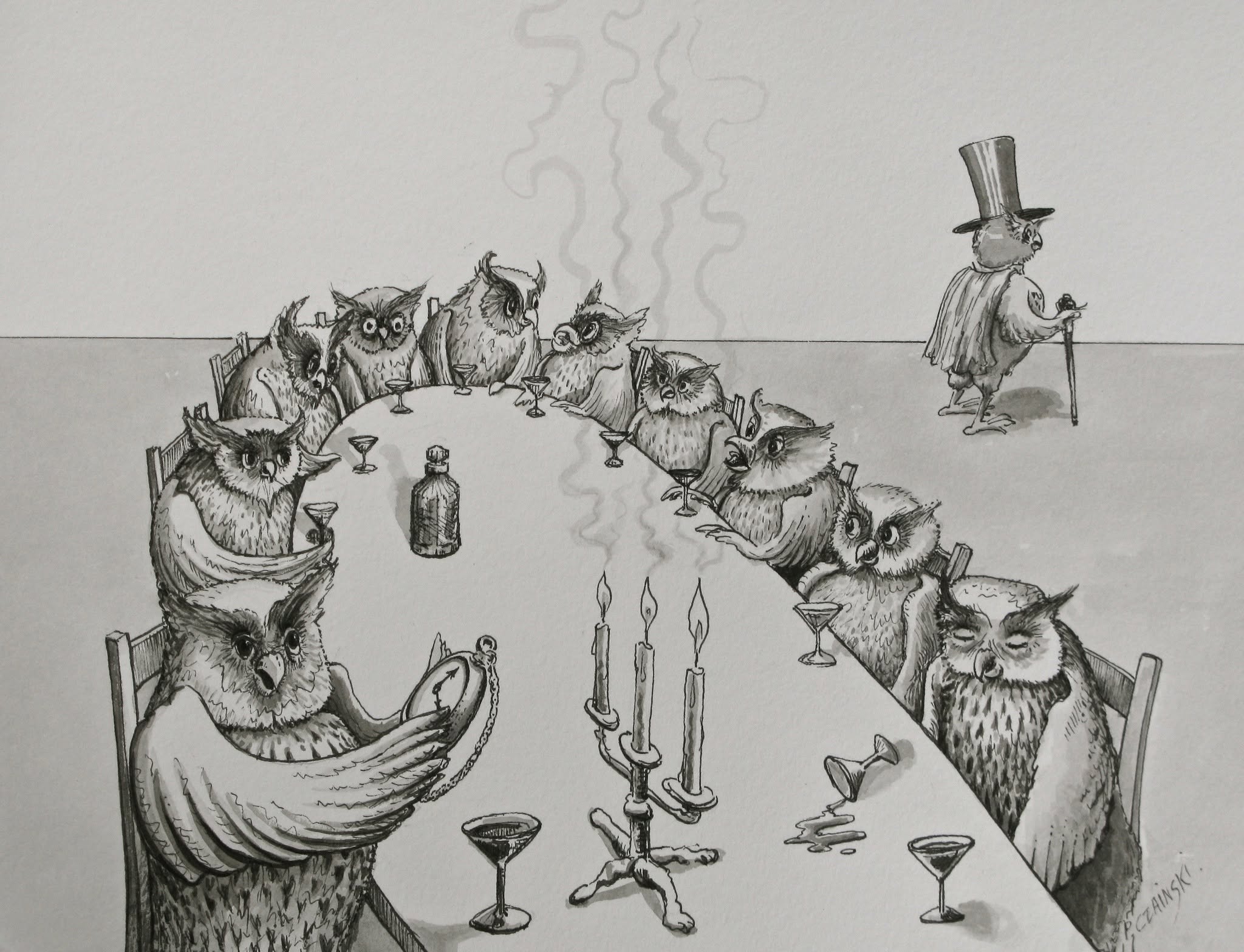
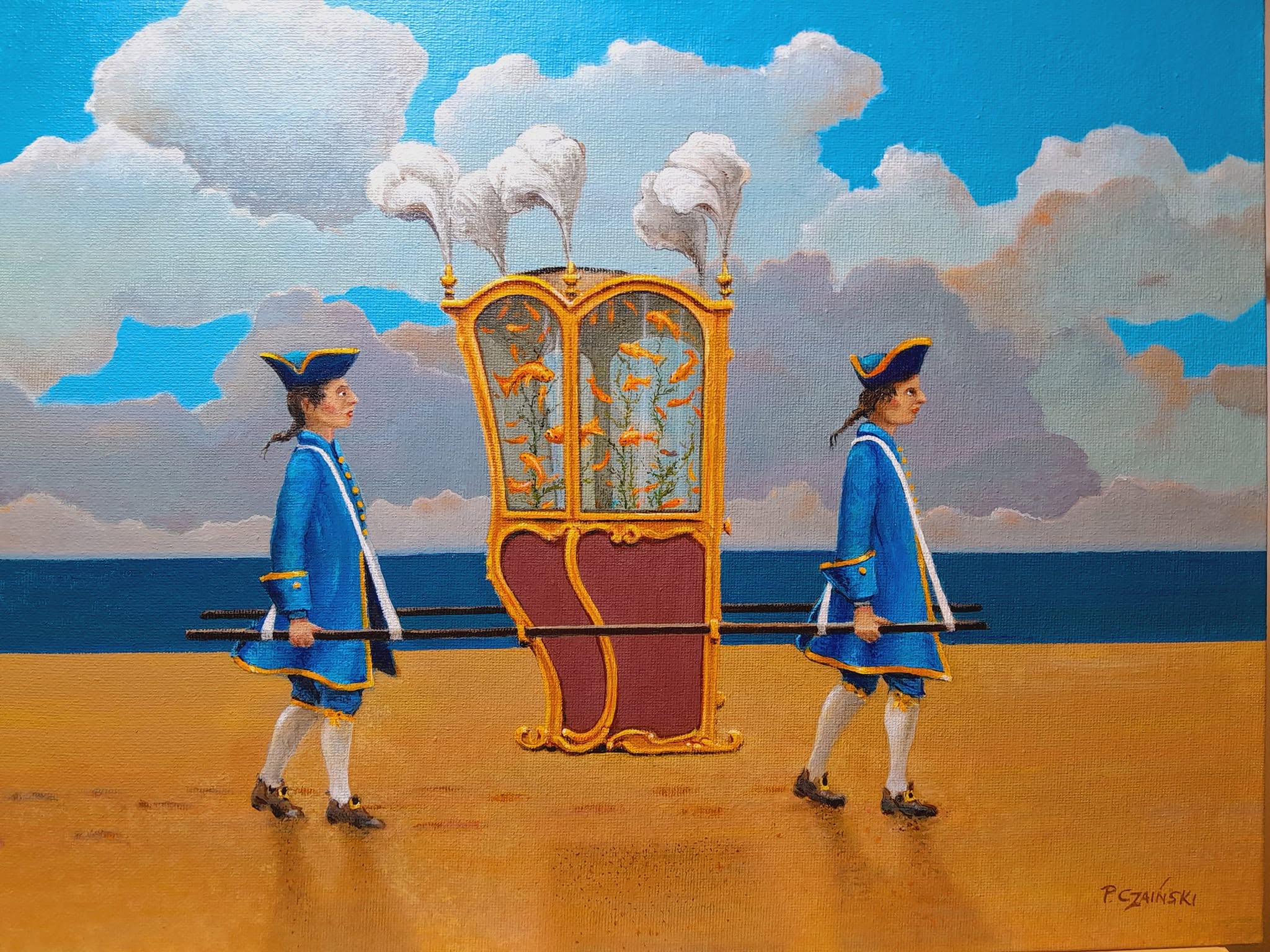
PAUL: Anything can inspire me if it amuses or entertains me. And if it doesn't entertain, I find a way to make it so. I suppose the work is different because it comes from inside my head and not from everybody else's. It's difficult to place me in any genre.
CHRIS: My creative life has been very different from Paul's. I've always worked from within - from the subconscious, I think - and I've had a great interest in the collective unconscious. I've enjoyed being surprised by what emerges, and by the processes that led there.
As a child I loved the story of the Mudlarks, which I made my grandmother tell me over and over. I went on to spend many hours mudlarking on the Thames, and I have, in consequence, a vast collection of bones. I do wonder whether being a bone collector counts as eccentric.
My art is unique simply because it is mine. It comes from the depths of me.
And yet you've changed direction entirely.
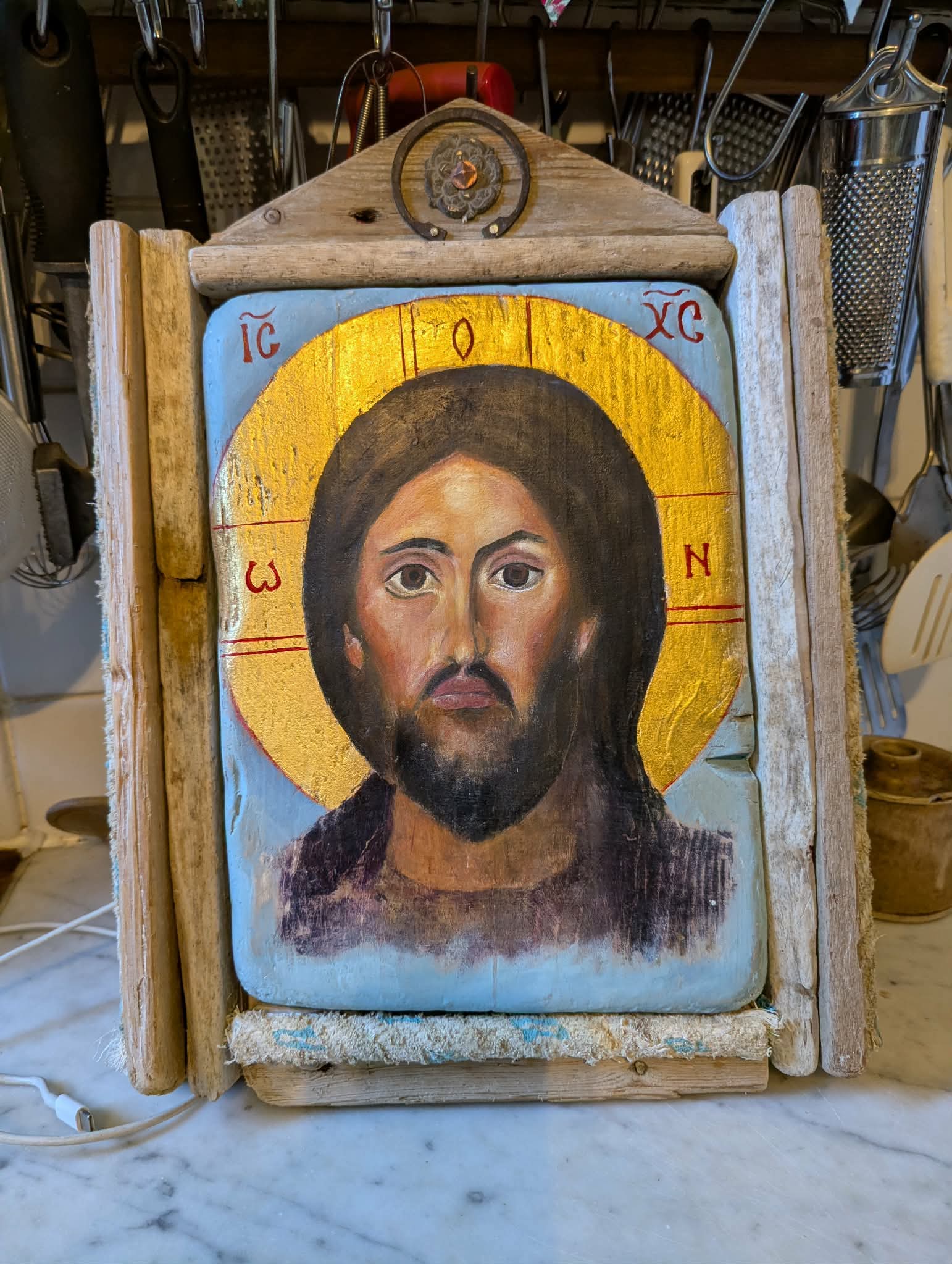
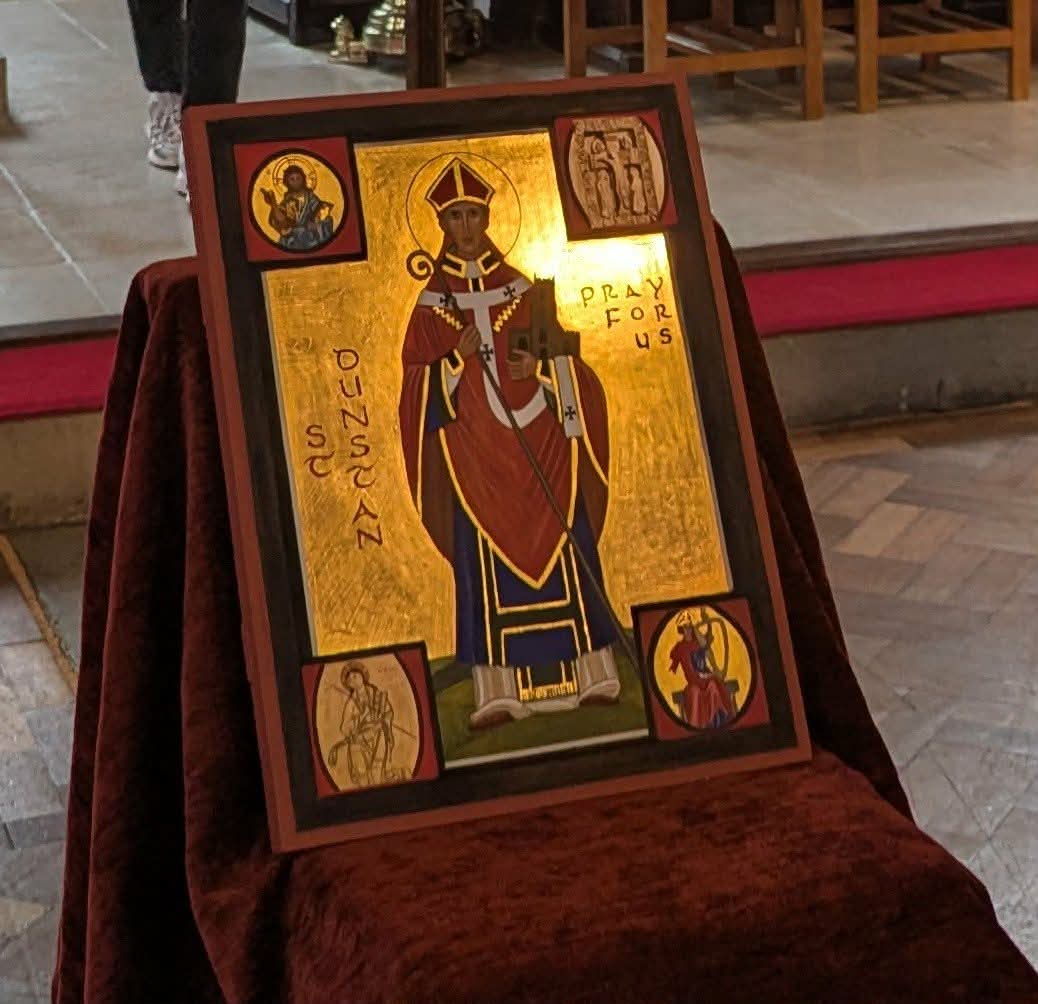
CHRIS: In the last few years I've become completely immersed in iconography. My work now is the study of icons and the painting of them - the writing of them, as some prefer to say. I feel everything before was a preparation for where I am now.
Is the vision eccentric or traditional?
PAUL: Fifty per cent eccentric or surreal. But I do plenty of traditional work too, if it belongs to my own narrative.
CHRIS: Mine was never traditional. Not in the least. Now it's completely different: I have to discipline myself to work within a very rich tradition, and try not to become too obsessive or too rigid about it.
The most eccentric thing you've done.
PAUL: At grammar school I made a fold-out funeral. A cut-out performance piece that packed into a box and looked, from the outside, like a jolly Christmas present. It was called the Bumper Burial Kit. I got various first-formers to pose with the cardboard spade, the hats, the mounds of earth, and photographed the whole installation. I suspect it's what got me into art school.
Since then, honestly, the things people call eccentric are just creative, or fun. I've been asked to paint a realistic cockroach on a wall in New Orleans, and to paint a five-pound note onto a stair tread to trick house guests - twice. The two performances I gave inside a bag with Chris are perhaps a little eccentric. And as the Fabulous Czainskis we've made short films dressed as lighthouses, foghorns, fish.
CHRIS: It's terribly difficult to pinpoint one's eccentric behaviour when it is simply one's behaviour.
But there was the Silver Lady. When I first knew Paul, I kept a mannequin in my garden, painted silver. One day the neighbour rang to say she had vanished. I was devastated. I went hunting for her through Hebden Bridge and eventually found her along a stretch of the river, scattered in pieces.
I telephoned Paul, told him to bring a rope, and waded in fully clothed up to my waist to gather her up while he stood on the bridge and hauled the pieces out. I think that was the day he understood I was a little unconventional.
I would do it again tomorrow. We never did find one of the hands.
How did the Club find you?
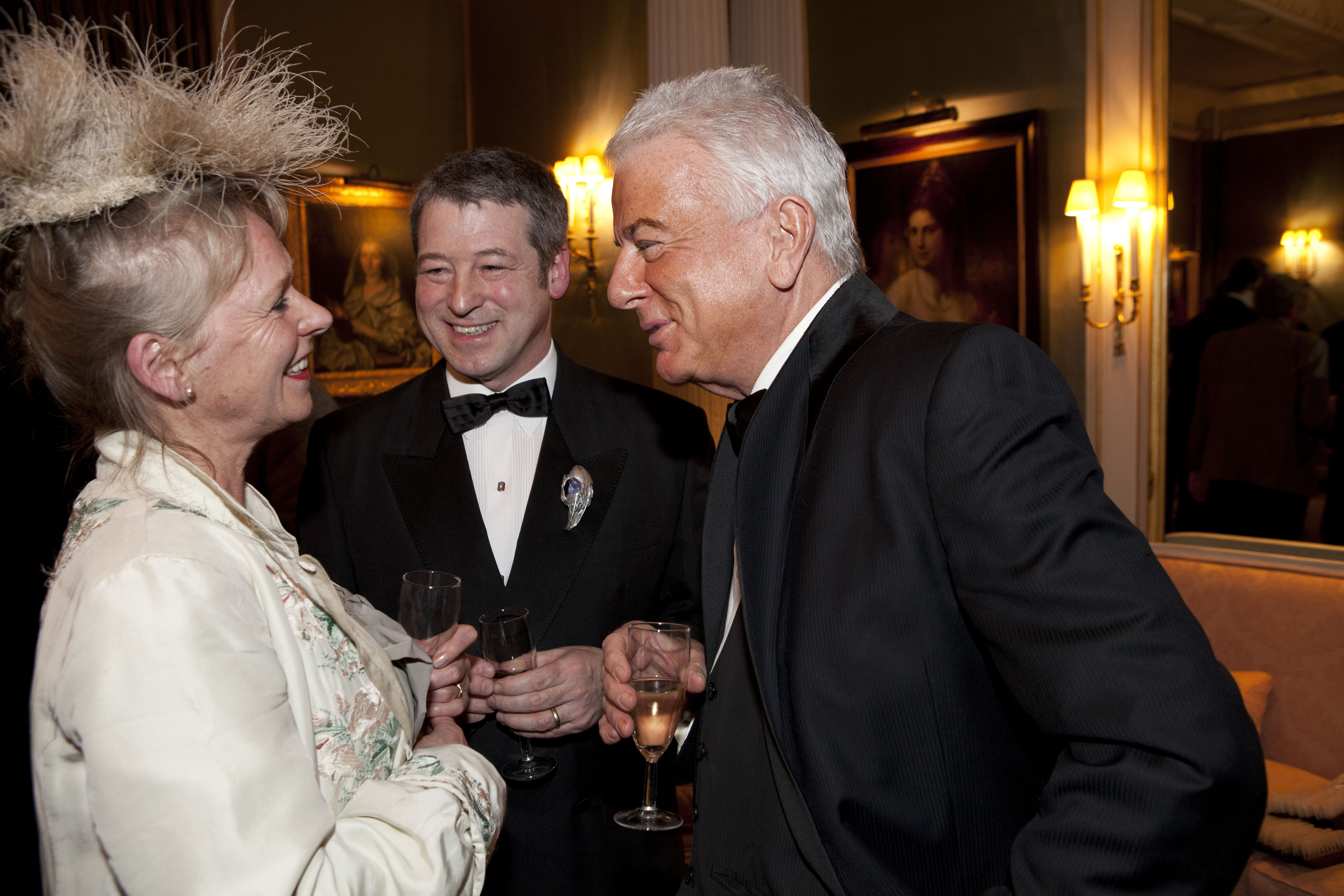
CHRIS: By anonymous invitation, some years ago, to a Convivial. I assumed it was a joke and emailed Amanda to ask whether it was kosher. I'm so glad it was. I loved it from the first visit, and I've met the most interesting people from every walk of life. After feeling like an outsider for most of my life, I don't feel like one there. It's also a rare chance to dress up without feeling out of place, which I love enormously.
PAUL: My role was to drive her to meetings and drive her home again. I would stand outside the Savile Club, looking in through the window at the glamorous goings-on, wondering whether I might one day be let in.
CHRIS: Poor Paul, watching from outside.
PAUL: A few 'plus one' visits later, I became a member. Our only real sadness is that we're so far away in the West Riding - not easy to pop out for a drink with an eccentric. We've made a splendid connection with fellow member and Monster Raving Loony candidate Martin Hogbin, whose physics book for children, Talking to Wasps, I illustrated. Do look it up.
Is your art relevant to the modern world?
PAUL: My art is relevant because art is relevant. My work has little to do with politics or social comment and everything to do with visual awareness, aesthetics and the absurd. I see it as an antidote to the rash of politically correct, conceptual joylessness in galleries these days.
I might have been more comfortable in the artistic life of the Twenties and Thirties. I dislike telephones, I hate mobiles, and I hate swearing - though the internet, funnily enough, is marvellous for finding and posting paintings.
CHRIS: I used to say my work was for me and I wasn't much worried about its relevance to anyone else. That changed when I realised other people were finding something in it that resonated.
Now it's different again. I consider icons genuinely important for the modern world - they bring personal peace and knowledge, and they can act as a spiritual aid for all sorts of people. They are not simply historical artefacts.
I'm an idealist. I'd love to see more kindness, respect, tolerance and generosity of spirit. But I also love living in a world where I'm continually amazed by new technology and by other people's creativity and achievements. Because of it, we can know so much about our world.
Would you use a time machine?
CHRIS: I can't say I'm particularly interested.
What's next?
PAUL: Future plans - mmmmmm. Exciting things simply happen. Commissions arrive out of the blue. The artworks we mean to paint on our own walls are permanently on hold because a client or an exhibition gets in the way. Meanwhile we go on installing a new show every three months in the Smallest Museum in the World.
CHRIS: I'll continue with iconography and the theology that goes with it, and paint more icons. The wonderful thing about it is how many beautiful places there are to visit in the course of study, so I hope travel will be part of the plan.
And we will, eventually, get on with the painting at home - a scheme inspired by some beautiful church decoration we've seen.
We live in a church, after all.
The Smallest Museum in the World, Warley, Halifax, rehangs quarterly. The Czainskis are, as ever, open to commissions:
Paul: https://www.czainski.com/ Chris: https://www.czainski.co.uk/
Comments (0)
No comments yet.
Commenting is for subscribers. Sign in or subscribe to join the conversation.