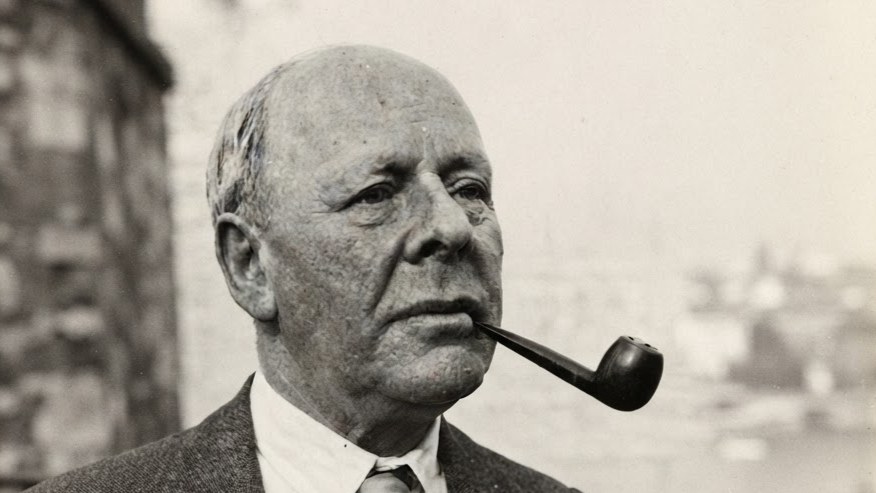
There is a word in Hebrew, charig — pronounced with the throat-clearing ch of chutzpah — and it means, of all the things a family name might mean, "strange."
Which is either a coincidence or a joke from above at the expense of the Eccentric Club — for the Charigs have given it a past Chairman (also President of its Golfing Society), his son-in-law, an editor of its magazine, and, along the way, one of the most gloriously peculiar men ever to appear on British television. When a family member whose name means strange turns up at a club for eccentrics, the only sensible thing to do is offer him a drink.
What follows is the Charigs' story in two parts, across the better part of a century and a half. It is, fittingly, rather stranger than fiction would dare to be.
PART ONE: The Man Under the Clock
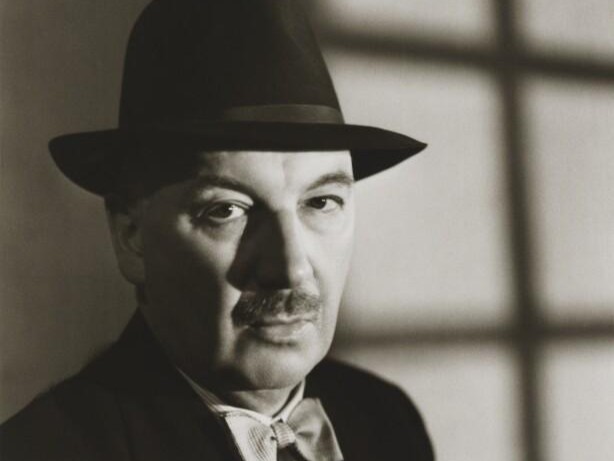
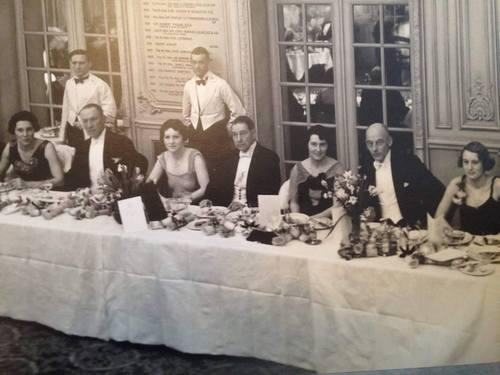
Walter Charig, 1884–1969
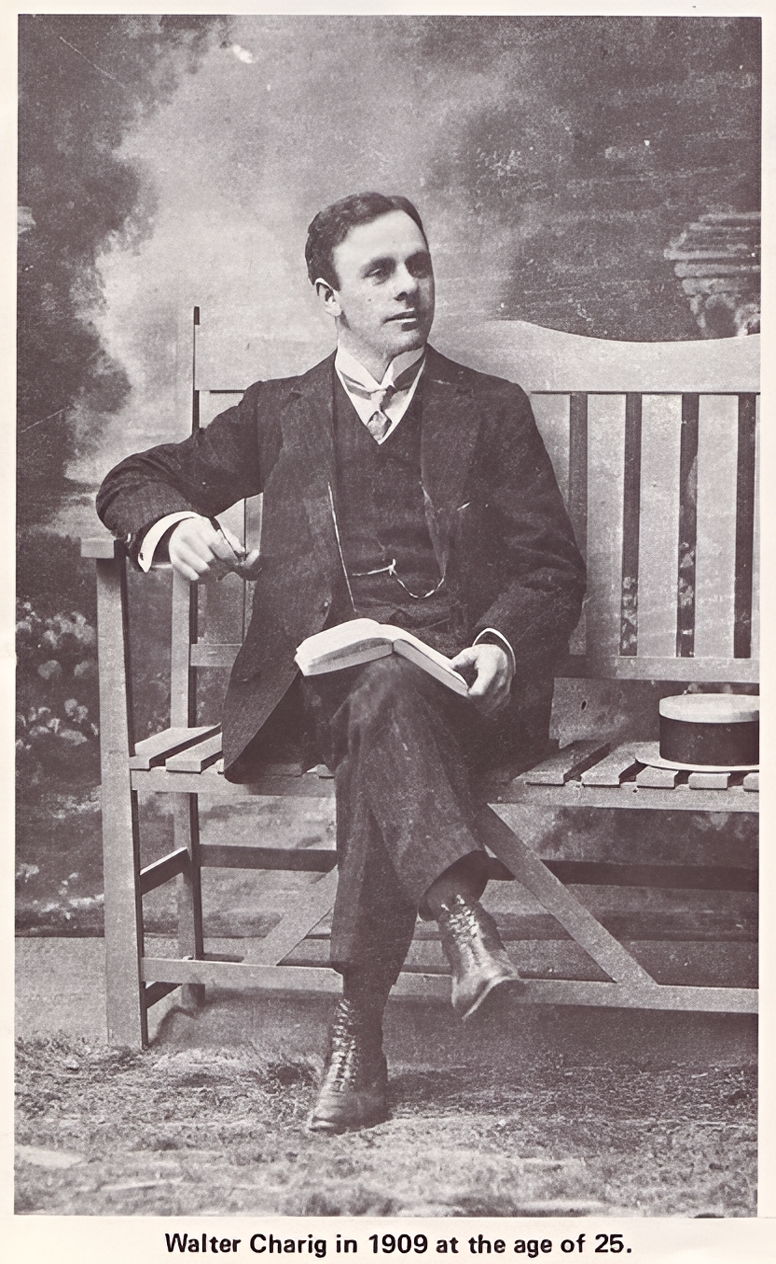 Every club has, at any given moment, one member who is less a member than a fixture — as settled in his habits as the clock he lunches beneath, and quite as reliable. For a long generation of eccentrics that man was Walter Charig, and when he died the Club did not merely lose an officer. It lost a landmark.
He is worth meeting not through the hush of an obituary — he would have hated that, and said so, probably with a cigar in his hand — but as he actually was: an elegant London jeweller who boxed and played football before he ever sold a diamond, who kept a shop a few doors up from Piccadilly for the better part of fifty years, and who ran the Club's Golfing Society for two decades by the simple method of trying to resign from it every single year.
Bow Bells to Bond Street
Walter Charig was born on 7 May 1884 — "within the sound of Bow Bells," as the Club's own account fondly has it, though the register is less romantic and places the cradle a little further east, in Hackney. He was one of seven children of Hyman Mark Charig, from a family that fondly believed its roots reached back to French settlers of the seventeenth century — though the paper trail runs, less romantically, to Lissa in Prussia, whence Walter's grandfather Marcus had brought the name to Britain in the 1840s. Either way, Walter remained a Londoner to the marrow all his life. He lost both his parents young, in a fire, and made his own way early.
That way began not in jewellery but in sport. In his late teens and twenties Walter was a first-class amateur boxer and an accomplished footballer — an inside-forward good enough to turn out for a leading London club. It is worth holding in mind when picturing the genial, pipe-smoking figure of his eighties: the gentleness was real, but so, once, were the fists.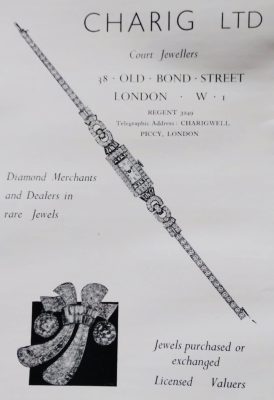
At nineteen, he went into business on his own account, in fancy goods and jewellery. Fifteen years later, in 1919, he opened his own shop under a name already establishing itself in the trade — Charig Ltd, the firm founded in 1896 — a few yards up Old Bond Street from Piccadilly. There it would remain for decades, settling in its great mid-century years at No. 38, the premises today occupied by the watchmaker A. Lange & Söhne. And it was no ordinary shop: Charig of Old Bond Street was a court jeweller, a house holding the privilege of making and supplying pieces for kings, queens and royal courts. It turned out tiaras, brooches and fine watches, boxed in the blue leather cases — stamped Charig of Old Bond Street, Court Jewellers — that collectors still turn up today. Walter became a recognised expert and a Fellow of the Valuers' Institute, and the business passed in time largely to his son, Stanley Hugh Charig, though the founder kept an active hand in it almost to the end.
Charig pieces now pass regularly through the great auction houses — and one of them, sold at Bonhams in 2013, ought to give any golfer a small shiver of recognition: a gold tie-clip of the 1920s shaped as a golf club, its face set with a single pearl for the ball, still in its original blue Charig box. One cannot help but wonder whether it once belonged to Walter himself or to one of the many fine golfers among his friends. We shall almost certainly never know — which is, perhaps, exactly as it should be.
The daily figure
But it is not the shop that the Club remembers. It is the ritual.
Walter joined the Eccentric Club in 1920, the year after he opened his shop, and for the next half-century he was among its most faithful fixtures. He came almost every day, and he came in state. A taxi to the front door at about a quarter to two; a glass or two in the Owls Roost among his many friends; lunch at his own particular table under the clock; then a brandy and a cigar before he settled into the Lounge or the Racing Room, where his gentle snores were "periodically broken," in the affectionate words of the Club's tribute, "by his pithy comments on what was happening around him."
A man may be asleep in a good club and still, somehow, be presiding — and across half a century's membership, Walter Charig proved it almost daily.
The details are what fix him. In his eighties, on a fine day, rather than cross Piccadilly on foot he would take a cab from the corner of Old Bond Street to the front of the Ritz — the wrong side of the road, but the safe side — pay it off, light a cigar, and complete the last few hundred yards to the Club on foot, at a stroll. There is no more perfectly eccentric piece of logistics on record: the expense entirely unnecessary, the dignity entirely preserved, the cigar entirely lit.
The reluctant President
If the Club was his afternoon, golf was his passion. He played to a single-figure handicap at Hendon, where he was a member for fully fifty years, giving it up only in his early seventies, and then only because an operation on his arm forced the matter.
Within the Club, he was a founder member of the Eccentric Club Golfing Society, its Captain in 1935, and — with Neil Maclean and Alex Jacobs — one of the three men who revived it after the war in 1946. He then served as its President for twenty years, right up to his death — and the manner of that service tells you everything.
Each year, at the Annual General Meeting, when the confirmation of his office came round, Walter would rise and insist on retiring, with a charming little speech about how he really couldn't do the Society justice at his advanced age, and how much better it would be if a younger man were found. The retirement would be gravely accepted and solemnly minuted. A new President would then be called for. "Walter Charig," Leslie Newman would propose. It would be instantly seconded. "Any other nominations?" — and there never were any. Informed of his unanimous re-election and warmly congratulated, Walter would rise once more, call the assembled company a lot of silly buggers, wave his cigar around the room, and graciously accept the office with a few well-chosen words.
He did this for twenty years. Nobody dreamed of stopping him.
A stock of stories
Such a man attracts anecdotes as a serge suit attracts cigar ash, and the Club has kept a fair stock of them.
There was the Golf Auction dinner at which Walter — having had a good lunch, a couple of brandies in the Owls Roost beforehand, and another two during — nodded gently through the bidding, which proceeded, as these things do, in alphabetical order. He surfaced just long enough to bark "Fifty pounds!" at the name of one John Reed, then subsided again into sleep. Afterwards, Ted Rock, mystified, asked what had possessed him to bid that sort of money for a comparatively unknown golfing rabbit who'd have gone for a fiver otherwise. "Oh," said Walter, entirely unruffled. "I thought I was at the Snooker Dinner."
There was horse-racing, too — a lifelong enthusiasm that made him a member of Kempton Park and a fixture on the Club's annual Derby coach, and on its private carriage on the Grand National train to Aintree until that outing folded in 1961 for want of support. His racing friends were of the same colourful stamp — Godfrey Davis, Jack Olding, Tommy Miles, Lord Lonsdale and other characters of the Turf — and more than one old member could recall seeing Walter himself, unmistakable and in his pomp, in Larry Webb's cine film of the 1951 Derby coach.
The measure of the man
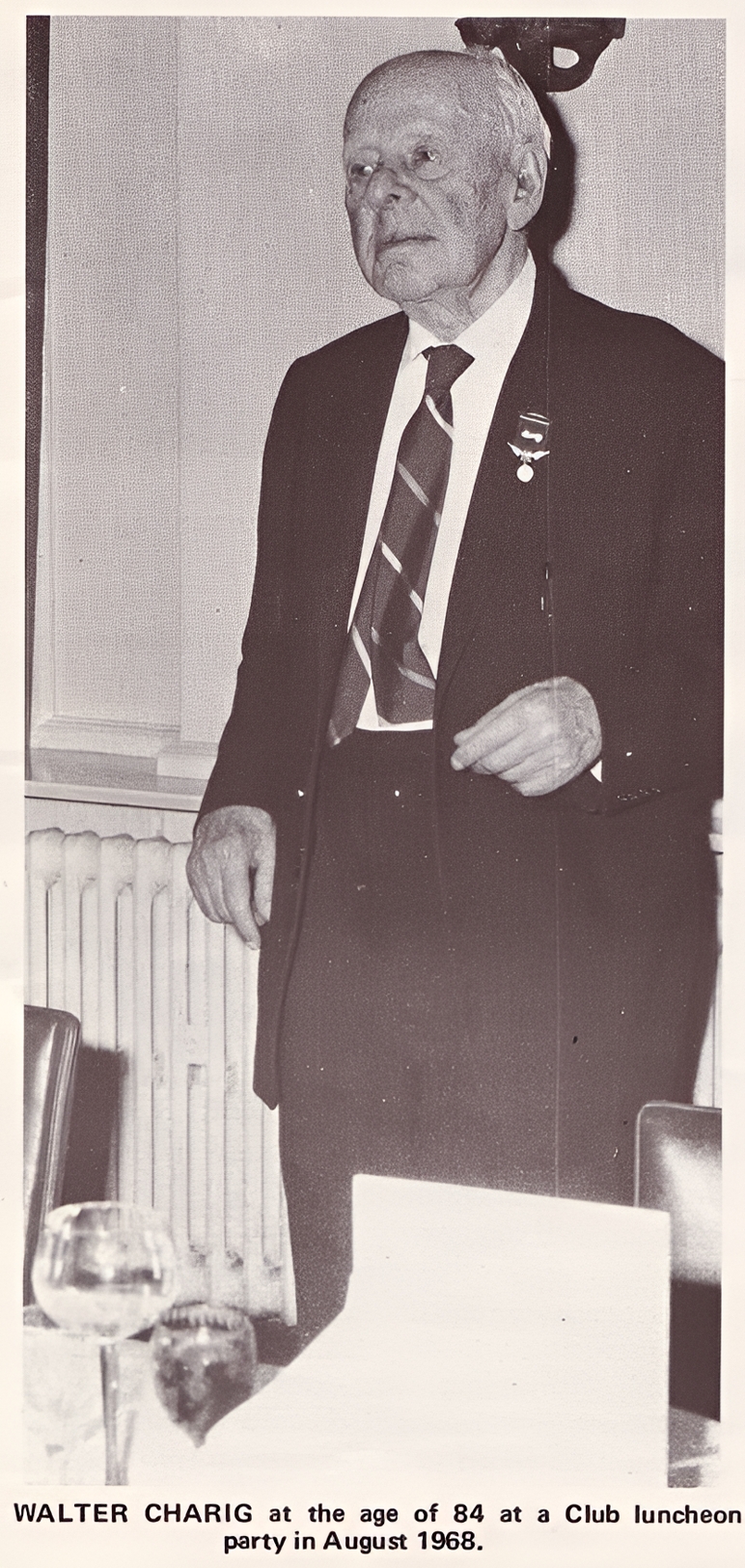 It would be easy to reduce all this to fond comedy, and Walter would probably have encouraged you to. But the Club that laughed at his sleeping bids also made him its Chairman, and there was steel and kindness beneath the cigar smoke. He was one of the wittiest after-dinner speakers the Club ever heard, and his reputation for consideration — towards fellow members and, in fact, towards everybody he dealt with — was such that his good humour more than once talked a committee down from a rash decision. The Club prospered under his hand, largely because a great many people simply liked being near him.
His oldest friend, Mattie Lyttleton — who was with him only a few hours before he died — remembered best the long Saturday luncheon parties of years before, when a score of members would gather in the Owls Roost about noon, adjourn to the Race Room to play the horses for a couple of hours, and drift in to lunch around four — with Walter, more often than not, the last to leave for home about seven, full to the brim with good cheer, "amongst other things."
Home, by then, meant Paddington and his second wife, Stella. His first wife, Minnie — whom he had married in Newcastle in 1912 — was the mother of his daughter Doreen; and it is through Doreen that Walter's line runs back into this magazine, for she married Eric Frais, who a decade after Walter's death would help edit The Eccentric and be named the Club's Eccentric of the Year. The old man never knew it. He died eight months before the magazine's first issue appeared — at home in Paddington, on 31 January 1969 — and London lost, in the Club's own unimprovable words, "a personality, a bon viveur, and a gentle man the like of which can never be replaced."
Those who joined too late to have known him should understand that they missed something. And those who did know him need no telling at all.
PART TWO: The Professor Who Played Dead
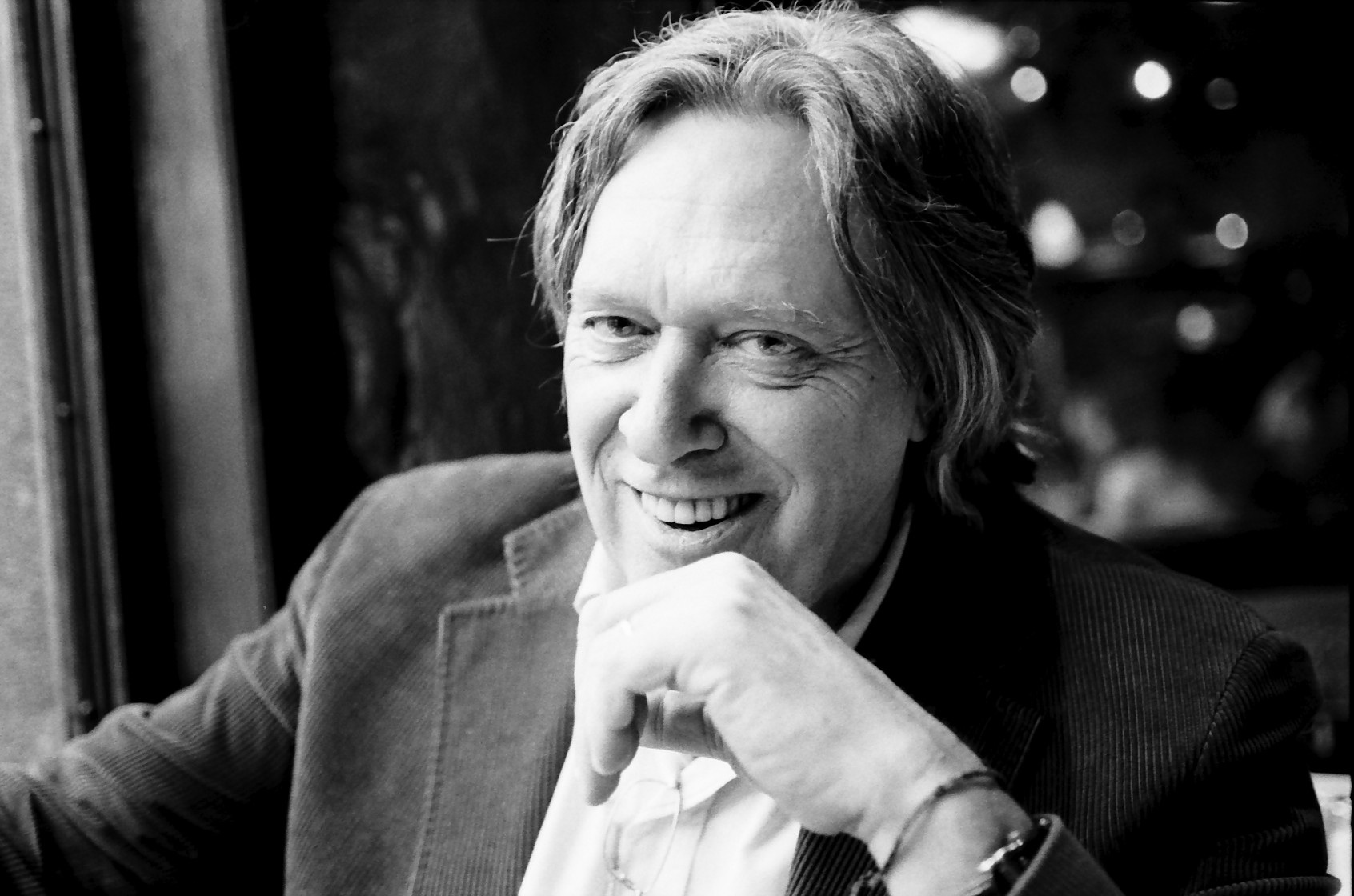
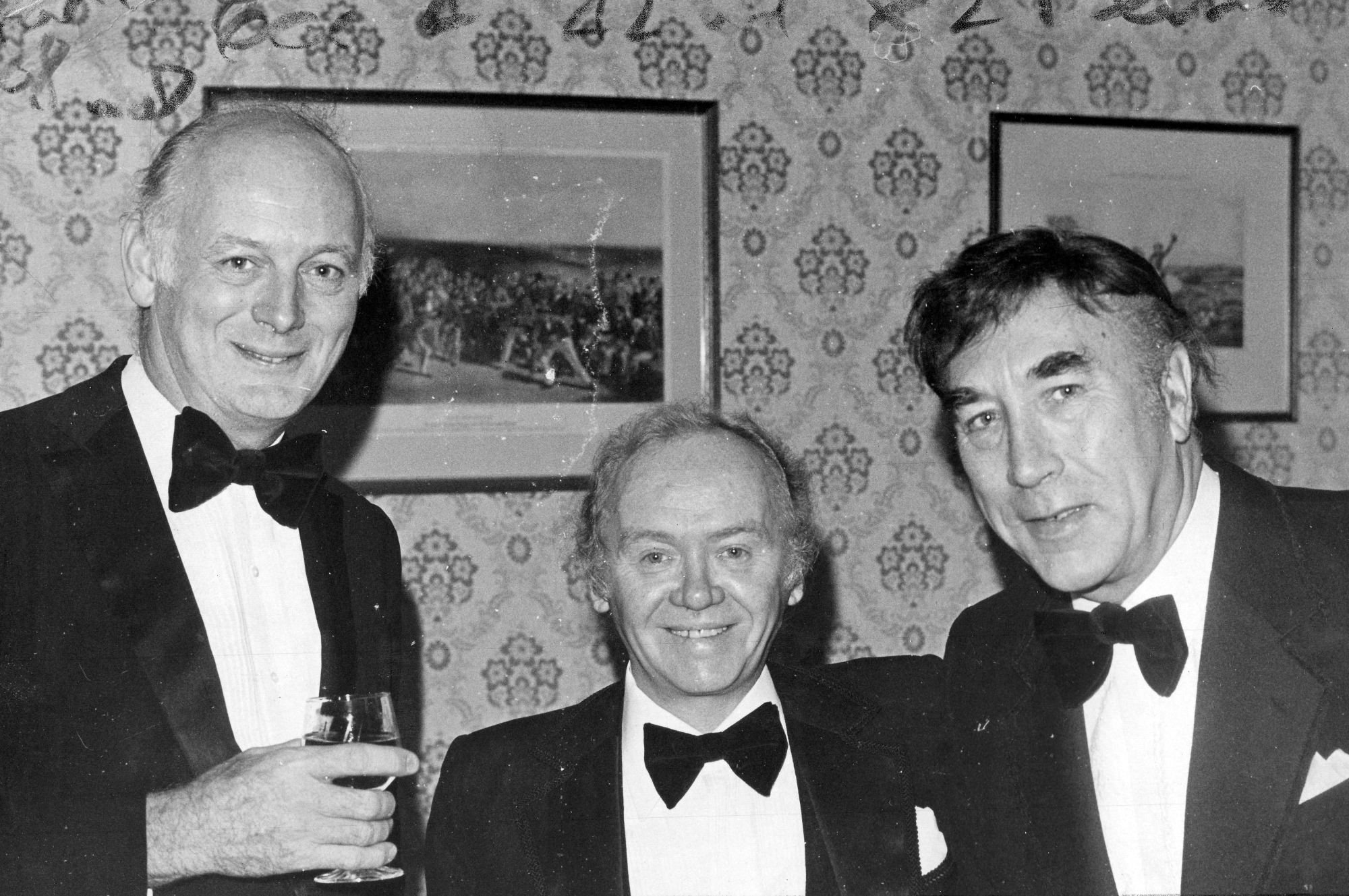
Alan Charig, 1927–1997, and his son Francis, born 1960
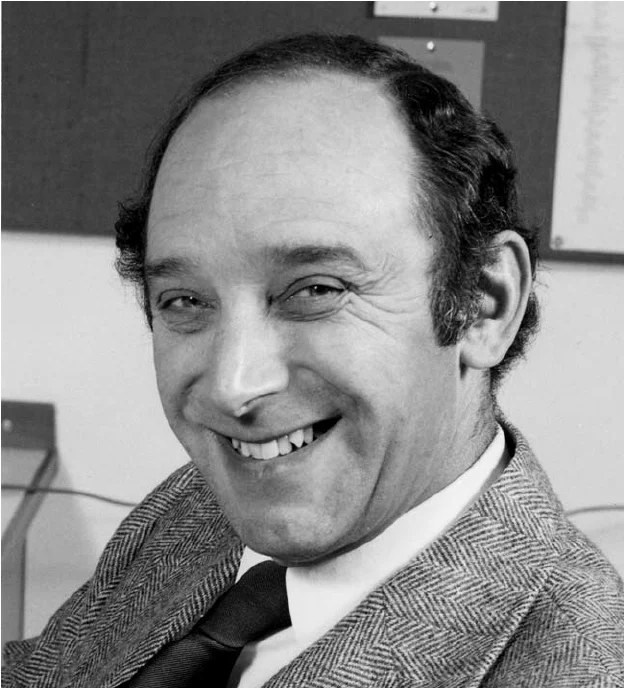 Francis Charig ArchiveWalter, it turns out, was not the only strange Charig — nor, by some distance, the strangest. For while he dozed in his armchair, a younger cousin was growing up a few miles north to become, in time, one of the men who gave Britain its dinosaurs, and quite as magnificent an eccentric as any this Club has enrolled. Had Alan Jack Charig ever thought to join, he would have carried off the title of most eccentric member without a single vote against him.
Born on 1 July 1927, Alan belonged to the family's younger branch — second cousin to Walter's son Stanley, the two men sharing a great-grandfather in that same Marcus of Lissa. And everything the family did strangely, Alan did strangely on television, in front of millions.
A serious man, if you caught him at it
Let it first be said, because he would have insisted upon it, that Alan Charig was a scientist of the first rank and not merely a character. He came to it the hard way. His father, Harry, had taken shrapnel to the brain in the First World War, and never fully recovered. Harry lived apart from his wife, so Alan was raised by his mother and an aunt. His mother was the breadwinner behind the handkerchief counter at D.H. Evans on Oxford Street, and his aunt kept the home. There was, in those years, no money at all — which is partly why the Charigs of Bond Street and this quieter, harder-pressed branch had drifted so far apart that it would take a miracle to reunite them.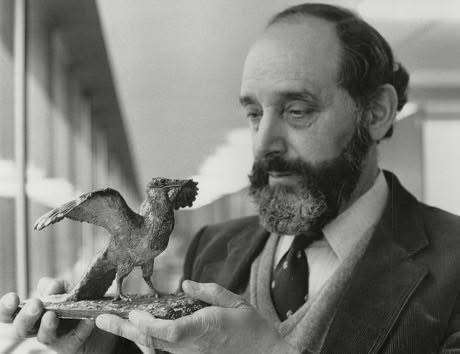 Francis Charig Archive
Out of that household came a scholarship boy of formidable gifts. The only route into Haberdashers' Aske's was a scholarship exam, and Alan sat it in a room beside a railway line — which, for a devoted train-spotter, was a trial sent by the gods. All the way through the paper, his anxious grandmother was later told by a fretting invigilator, the boy kept rising from his desk to note down the number of every passing train. She need not have worried. He came top, and won his place outright. Genius and eccentricity, in Alan Charig, were fused from the very first exam.
Educated thereafter at Haberdashers' and Emmanuel College, Cambridge, he took his doctorate on the fossil reptiles of East Africa and spent his whole career essentially at the Natural History Museum, where he was Curator of Fossil Amphibians, Reptiles and Birds from 1961 to 1987. He described new species, argued passionately against the coming orthodoxies of his field, and, in a Surrey brick-pit in the 1980s, achieved the coup of his life: the excavation and description, with his colleague Angela Milner, of Baryonyx walkeri, a great fish-eating dinosaur unlike anything found in Britain before, announced to the world in 1986. When he died, his obituaries ran not only in the British press but worldwide; The New York Times, saluted him as a "Pursuer of Dinosaurs."
A detail this magazine cannot resist: he kept, all his life, a fluent command of Russian — and came by it in remarkable company. In the closing days of the war, the young Alan was sent to Cambridge on an intensive armed-forces Russian course, where he was the star pupil. Among the others on it was one John Harvey-Jones — the future Sir John, chairman of ICI and the nation's favourite Troubleshooter — who went on to run a Baltic naval-intelligence operation against the Soviet fleet, and who, the family story has it, recruited Alan to help him in Germany. Not a bad room to have been the cleverest man in.
That is the respectable Alan Charig, and it is entirely true. Now to the other one.
The other Alan Charig
He wrote and presented a BBC television series, Before the Ark, in 1973, and his book A New Look at the Dinosaurs (1979) was translated into who knows how many languages. He was, in short, the acceptable public face of prehistory — which makes his conduct off-camera all the more delightful. For these particulars, we are indebted to his son.
He was, by the family's affectionate account, a mad professor of the purest water.
He liked, as a train drew into a station, to feign death in his compartment — the surest known method of dissuading strangers from sitting down beside him.
Invited onto an anniversary edition of Blue Peter — a signal honour, and a studio full of children waiting to hear about dinosaurs — he had lately returned from Australia, where he had been perfecting his impression of an Australian innkeeper; and so he contrived to bend the entire interview, dinosaurs and all, towards the antipodes, purely so that he might spend most of it doing the innkeeper. On another occasion, he sat in the family car beside a boy and chatted amiably away for some time before realising that the child was his son's friend, and not his own son at all! He would, as his son fondly observes, have made a perfect sitcom character.
And here — for those who have not forgotten a certain jeweller dozing under a certain clock — is the detail that confirms the whole thing is hereditary. Alan Charig could not keep awake in a darkened room. Put out the lights and he was gone. At the civil-service training centre at Sunningdale, where every lecture began with the lights down and a spotlight on the speaker, he would fall asleep on cue and snore softly through the entire talk — then, when the lights came up for questions, ask the sharpest one in the room, to the general astonishment. Even he could not explain how he did it. Once, chairing a symposium, he dropped off on the platform mid-session and fell clean off his chair; the speaker at the podium, it is said, never quite forgave him. Two Charigs, a generation apart, each with the gift of presiding while fast asleep.
He kept, at the last, the finest address book of any of them. Alan liked to number among his friends the Emperor of Japan — Akihito, himself a published man of science — and whenever Alan's son, Francis, travelled to Japan, as he often did, his father would send him off with the words, "please give my best to my friend, the Emperor."
Whether the friendship was quite as close as the phrase implied, the family never troubled to establish; it was too good a line to examine. But there was a coda that settled the matter in its own way. When Alan died and his grown children divided up the melancholy task of telephoning his friends with the news, the list was parcelled out among the older siblings — and Francis, the youngest, was left with just two names to notify. They were the Emperor of Japan and David Attenborough. A man is known by the company he keeps; a man is measured by the two names nobody else will take.
The likeness that reunited a family
And here the story loops back to Walter again, by the most Charig route imaginable.
Stanley Hugh Charig — Walter's own son, the man who by then was running the Bond Street shop — was at home one evening while his wife watched the television. Before the Ark was on, and she called out to her husband to come and look: there was a man on the screen who was the very image of him. Stanley hurried in, was duly struck by the resemblance, and thought no more of it — until the closing credits rolled: Written, narrated and presented by Alan Charig. The name did what the face had done. The two branches — long separated by misfortunes as much as by time — made contact again, and through the 1980s Alan and his wife dined with their newfound relations while the exact shape of the family tree was pieced together over dinner — Alan and Stanley, it turned out, were second cousins, the branches having parted a couple of generations before. It is a very Charig way to rediscover one's own family — by broadcast, from the resemblance of a stranger, confirmed in the credits.
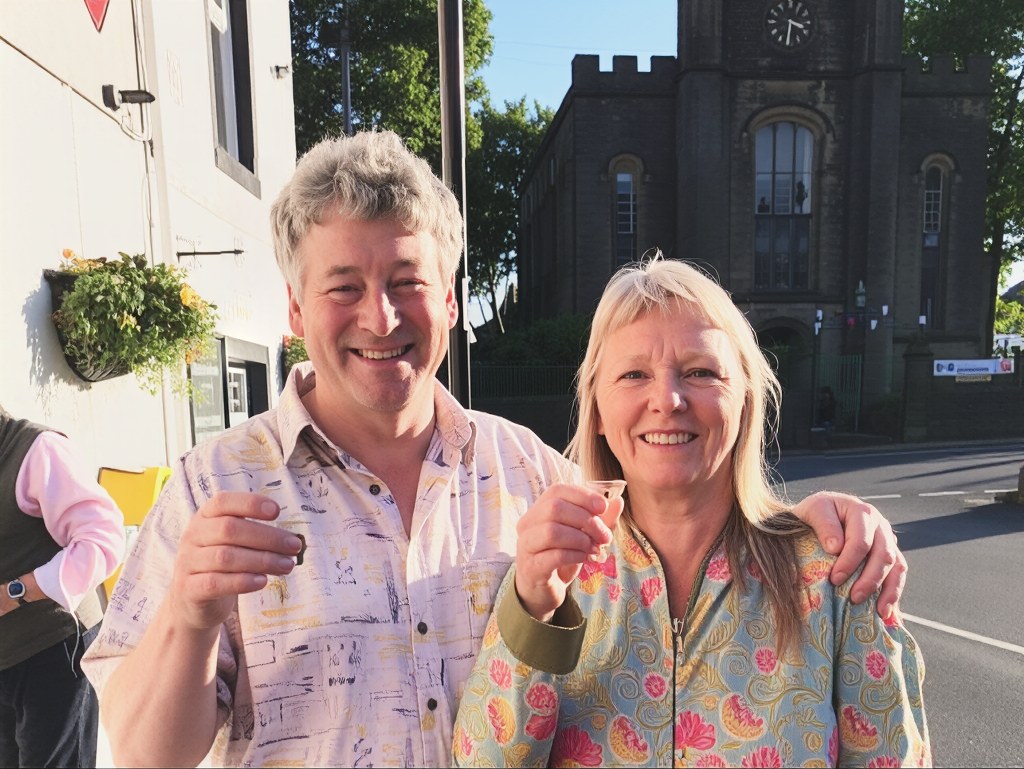
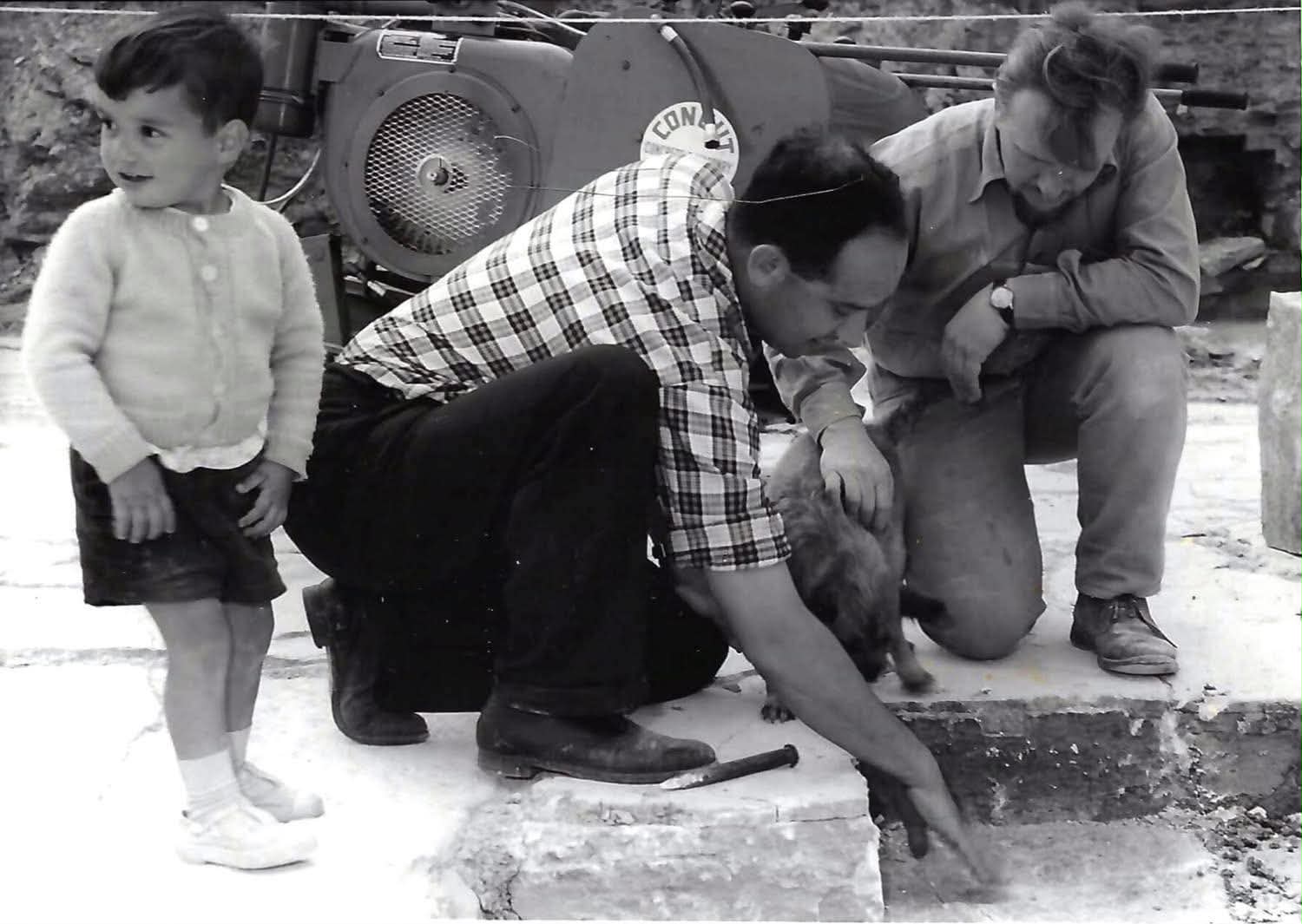 Francis Charig ArchiveWhich brings us, at last, to Francis Charig — Alan's son, born on 23 November 1960, and today a good friend of the Club (he's on the left in this photo taken in 1962 in Swanage).
He has carried the family's twin inheritance — the substance and the strangeness — into the next generation and a wholly modern field. Educated at Whitgift and Exeter, he became a technology entrepreneur of real standing: he ran the trading-systems business at the London Stock Exchange, co-founded and chaired the Tao Group, and was named a World Economic Forum "Technology Pioneer."
But the Charig temperament will out. In January 2008, returning from a business meeting with Sony Ericsson in Beijing, he was aboard British Airways Flight 38, the Boeing that lost power on its approach and came down just short of the runway at Heathrow — one of the great near-misses of modern aviation, from which all 152 souls aboard walked away. By his own account, the remarkable thing was how little drama attended the crash from inside the cabin: no one grasped the danger as the aircraft fell, and in the aftermath, his fellow passengers were relaxed, some of them even laughing. Francis then sat down and wrote the whole thing up for the Daily Telegraph under a headline of perfect, unbothered sang-froid — "My escape from BA038 was damn fun" — and concluded, more or less, that he would gladly take the flight again.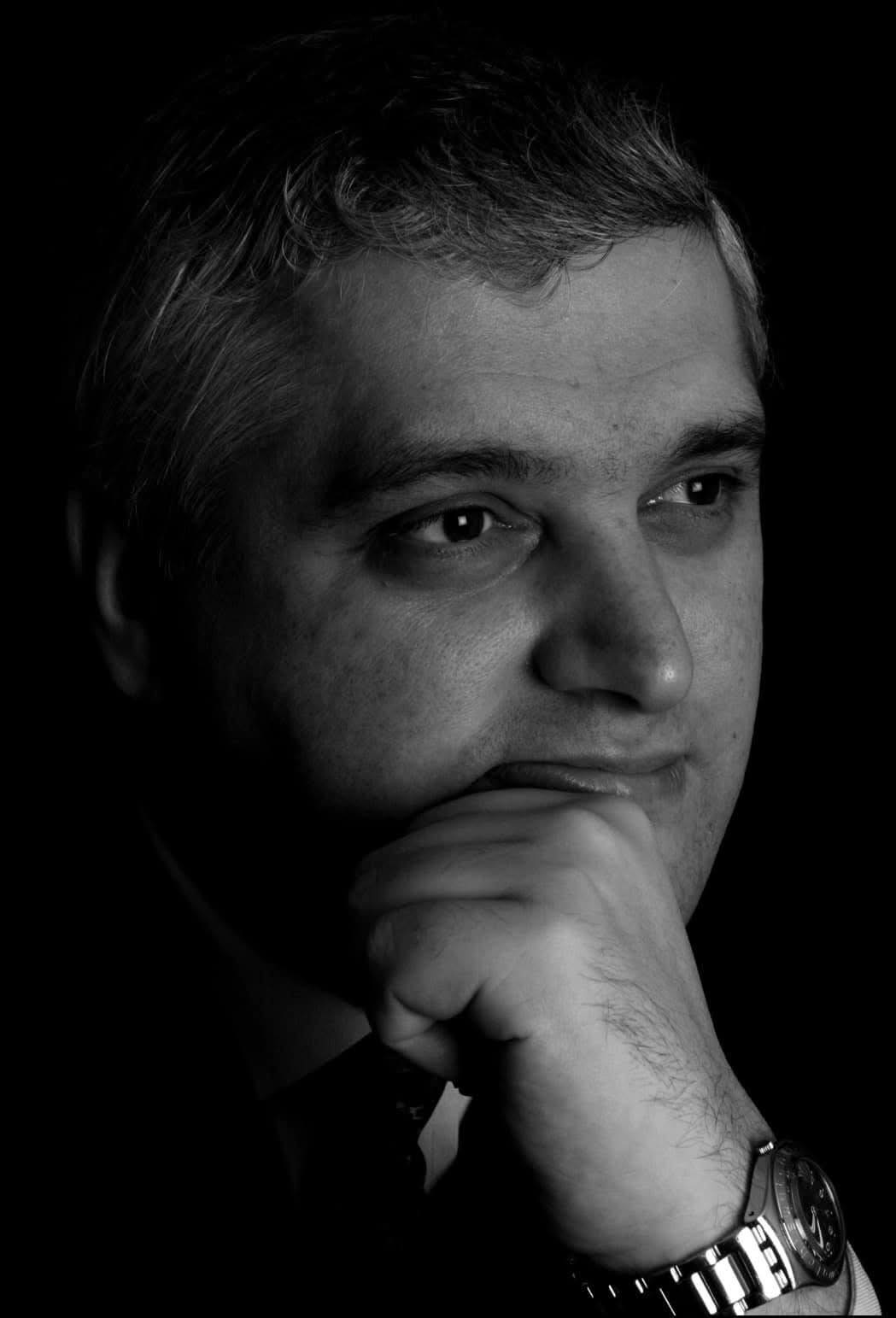 Francis Charig Archive
The Charigs, it should be said, appear to be a remarkably lucky family — and never more so than at their darkest hour. For Francis's own mother, Marianne, had as a child made a far graver escape than any runway: she was one of the Jewish children brought out of Nazi Germany on the Kindertransport, saved while others of the family were not. It is a story that deserves, and will one day have, an article, a book or a film, entirely its own...
Set against it, a Boeing in a Heathrow field is a small thing — but the family instinct for walking away, it seems, runs deep, and Francis came by his damn fun honestly.
A man who can call a plane crash damn fun is a Charig to the bone.
Francis was never a stranger to mischief while travelling. As a child, and even as an adult, when faced with a nearly full flight, his favourite trick was to buy an egg-mayonnaise sandwich, wait until the window and aisle seats had filled, then quietly smear the contents over his own face. The middle seat beside him would, without fail, remain gloriously empty. In the days when smoking was still permitted on aircraft, he carried an empty asthma inhaler and, with the air of a long-suffering martyr, would produce it to secure an upgrade away from the fug with gratifying regularity — despite never having suffered from asthma in his life. He still is, he admits, proudly out of step with the age; one suspects he would be disappointed to be anything else.
 Francis Charig ArchiveNor is the strangeness confined to the humans. The Charig household has, over the years, kept a succession of pet hedgehogs — the most celebrated being Alfie Charig, who was named Pet of the Day by the Metro newspaper, which reported him to be one year old, owned by two young Charigs, and fond of dancing and shopping in Tesco. Alfie and his successor were taken everywhere: to the shops, to Scotland, and even to board meetings — one of them, on at least one occasion, sitting up on the podium beside Francis at the annual general meeting of a London-listed investment trust. There is no record of the hedgehog's view of the proceedings, but the trust was, that year, the top performer of more than three hundred, so one hesitates to argue with the arrangement.
A word on the breed
For Walter and Alan, it turns out, were no isolated sports. Strangeness runs in this family like a watermark, and once you start looking for remarkable Charigs, they are surprisingly thick on the ground — enough that one begins to think poor Walter never stood a chance.
Consider the roll. There is Alan, the dinosaur-hunter, whom his son readily ranks the most distinguished of them all. There is Phil Charig (1902–1960), the American cousin who went to Hollywood and Broadway, served his apprenticeship as rehearsal pianist to George Gershwin and Jerome Kern, wrote "Sunny Disposish" with Ira Gershwin, and was nominated for an Academy Award — Best Original Song, at the 1939 ceremony, for "Merrily We Live." There is Mark Charig (born 1944), the avant-garde jazz cornetist, now in his eighties and living in Germany, who blew that plaintive, unmistakable horn on three King Crimson albums — Lizard, Islands and Red — passed through Soft Machine, and once toured in a band alongside a young and then-unknown Annie Lennox. There is Francis himself. And there is, Francis adds with evident relish, one Kane Charig, a heavily tattooed professional wrestler — because no family worth the name is complete without one. And don't forget the hedgehogs.
A palaeontologist, an Oscar-nominated songwriter, a King Crimson horn player, a technology pioneer and a tattooed grappler. Set beside that company, a Bond Street jeweller who merely dozed through his own re-election and took cabs to avoid crossing the road begins to look like the steady one. No wonder Walter was as he was: he was simply being a Charig, and doing it, as they all seem to, entirely in his own key.
A word on the name
For it is worth returning, at the last, to that curious word: Charig. Francis, who has looked into it, reports that there are some sixty Charigs in the United Kingdom and, bafflingly, nearly two hundred in Ecuador, whose connection to the London line he cannot begin to explain and frankly doubts. He notes, too, that, going into Hatton Garden to buy his engagement and wedding rings, he negotiated a good price — and then, the moment the jeweller caught his surname, was handed a further and quite unsolicited discount, on the strength of the name Charig alone. Even the trade, it seems, still tips its hat to Old Bond Street.
Had a family whose very name meant strange never existed, the Eccentric Club would have been the poorer for it. As it is, we had the good fortune to enrol one Charig — and, over a hundred years and more, to know and enjoy a good many of them.
There may be no better statement of the family creed than the one Francis offers, half advice and half inheritance: take your work seriously, and don't take yourself seriously. His father put it more briefly still.
"If there is one thing I hope I teach you before I die," Alan told him, "it is this. Never, ever grow up."
On the evidence of four generations, the Charigs have kept the appointment.